
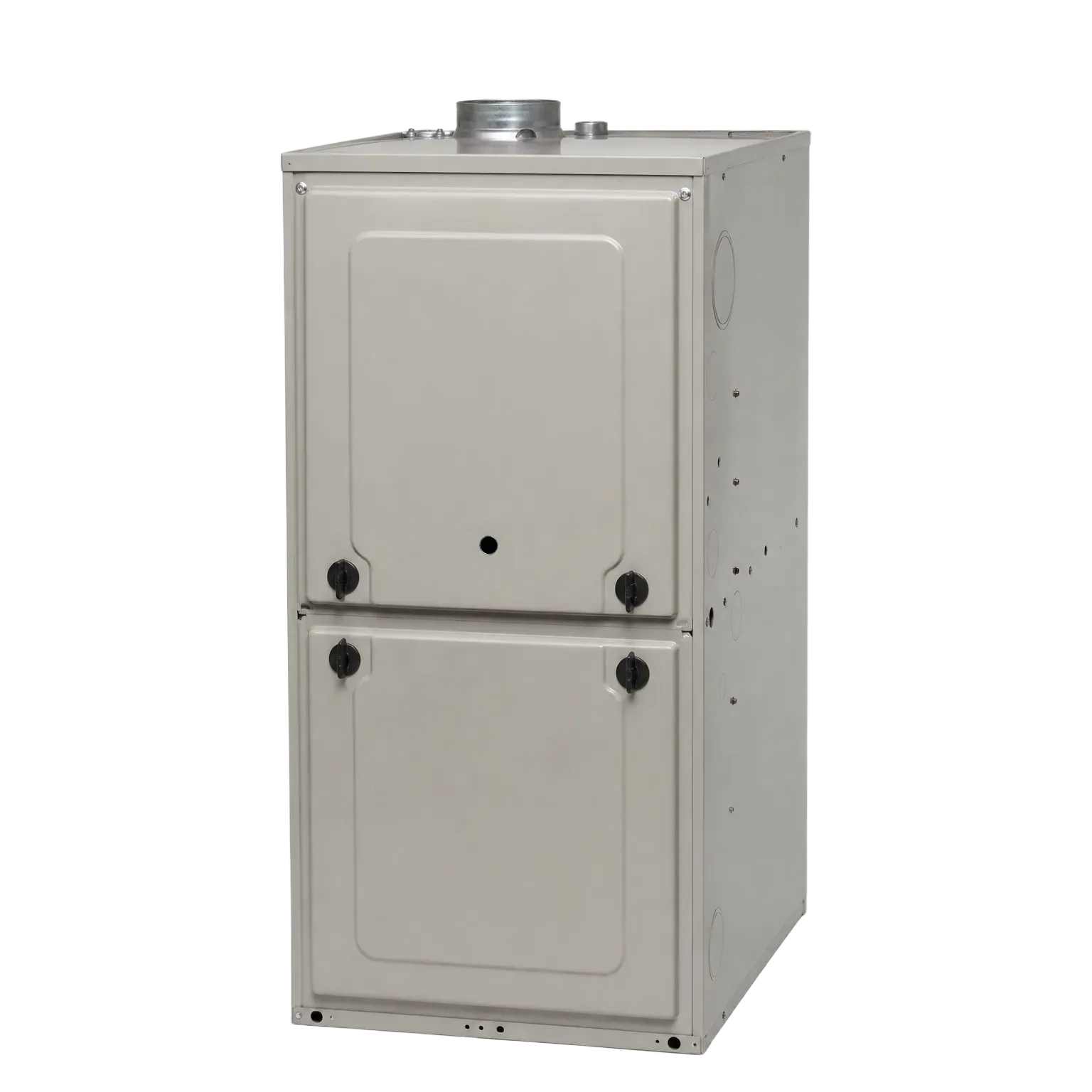
A few weeks a year
Florida winters are short enough that most people only notice the dry air for part of that stretch, which is exactly when a furnace due for a check tends to run hardest.

Cold air just holds less moisture, and your furnace is heating air, not adding water to it. When that air warms up, its capacity to hold moisture goes up too, so the same air that felt fine outside now feels dry once it's pushed through your vents and warmed. You can feel it on your skin, in a scratchy throat, in static off the carpet, in wood trim that starts to shrink and gap. In Florida this catches people off guard, because the rest of the year the problem is the opposite: too much moisture, not too little. A furnace has no way to put moisture back into the air. That's not a malfunction. It's just what forced air heat does in the stretch of the year when the furnace is actually running. Keeping that system maintained won't add humidity back, but it does mean the furnace is only doing what it's supposed to, nothing more drying than necessary.
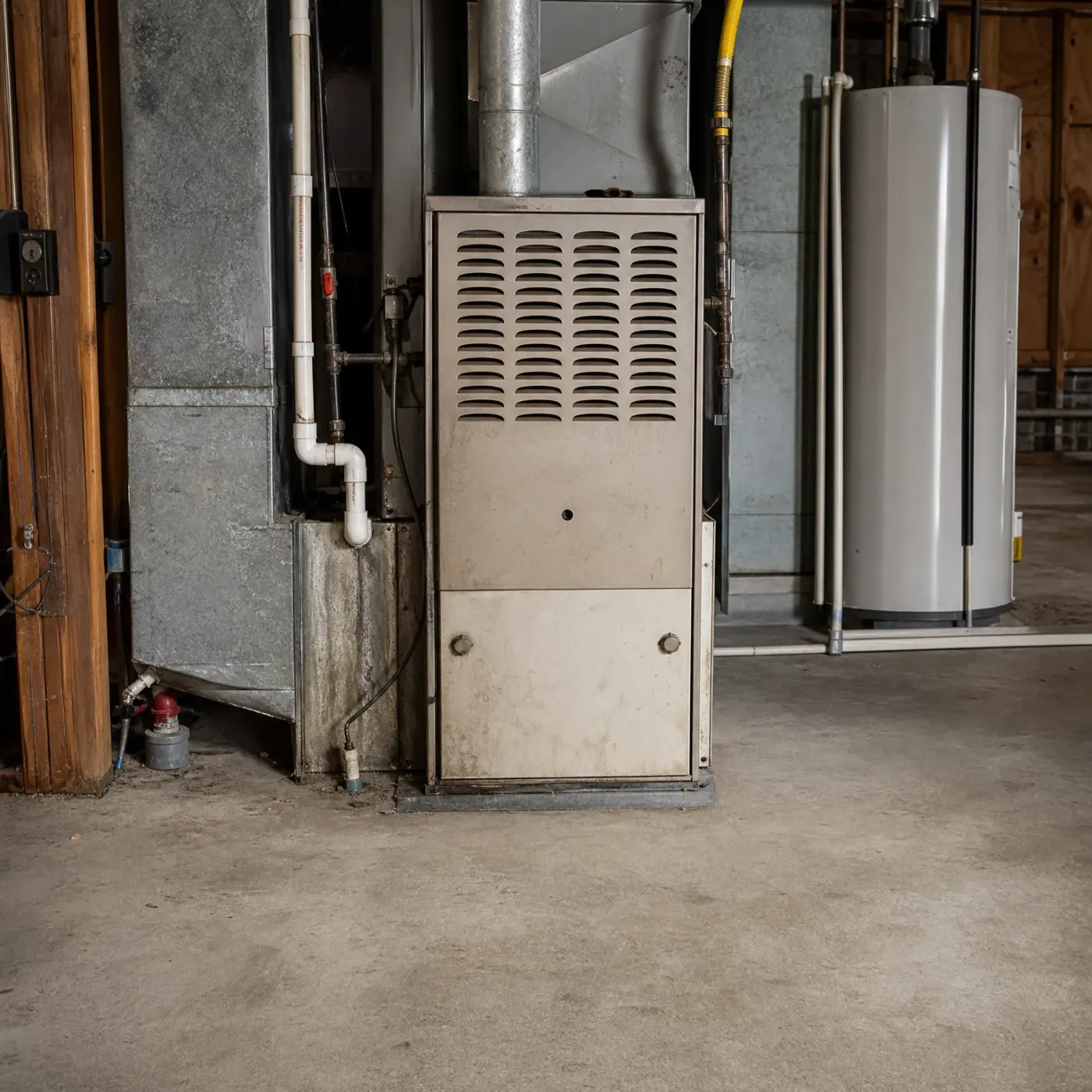
Cold outside air holds very little moisture to begin with
Your furnace heats that air without adding any water
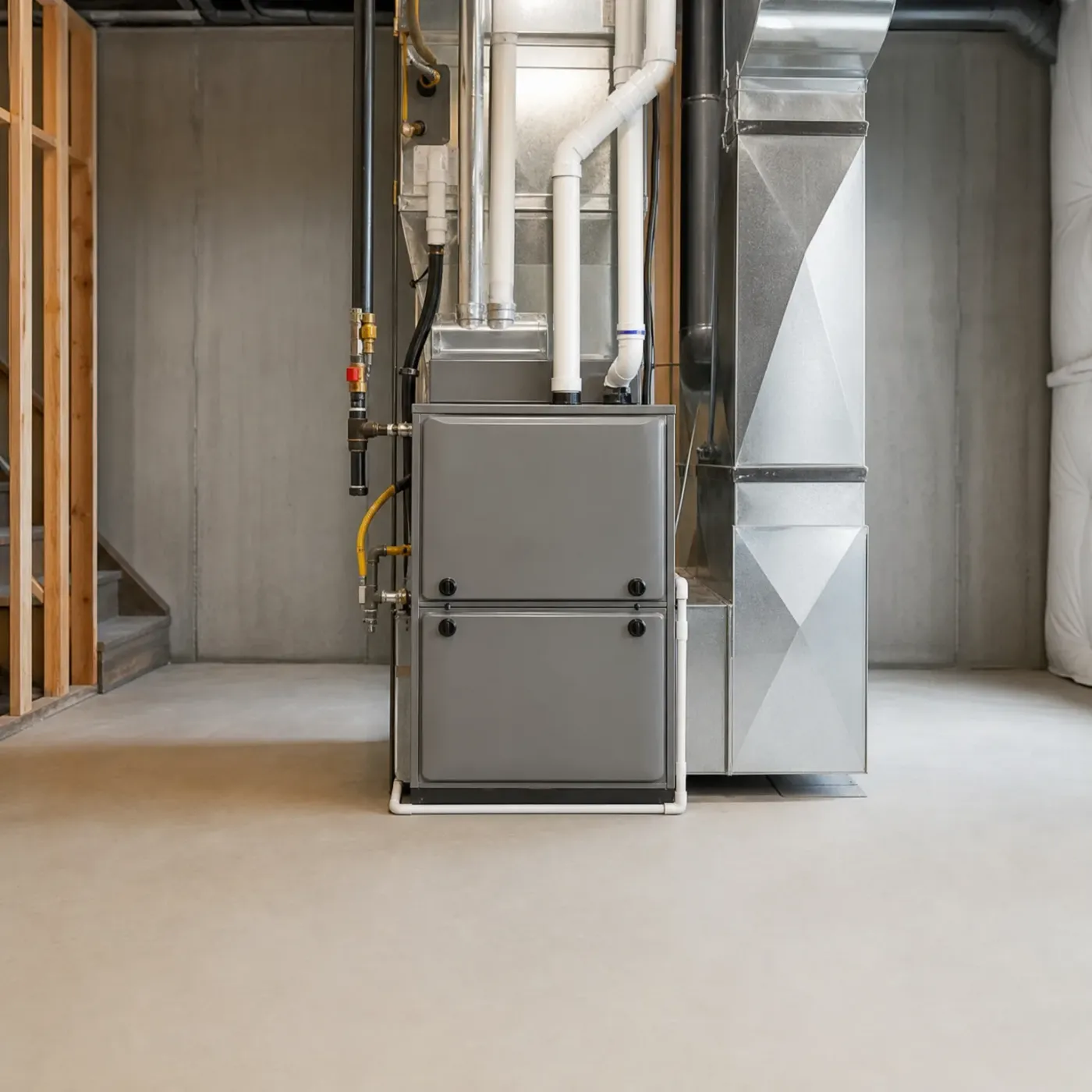
Warmed air's capacity for moisture rises as its temperature climbs
Same moisture now spread through warmer air reads as dry
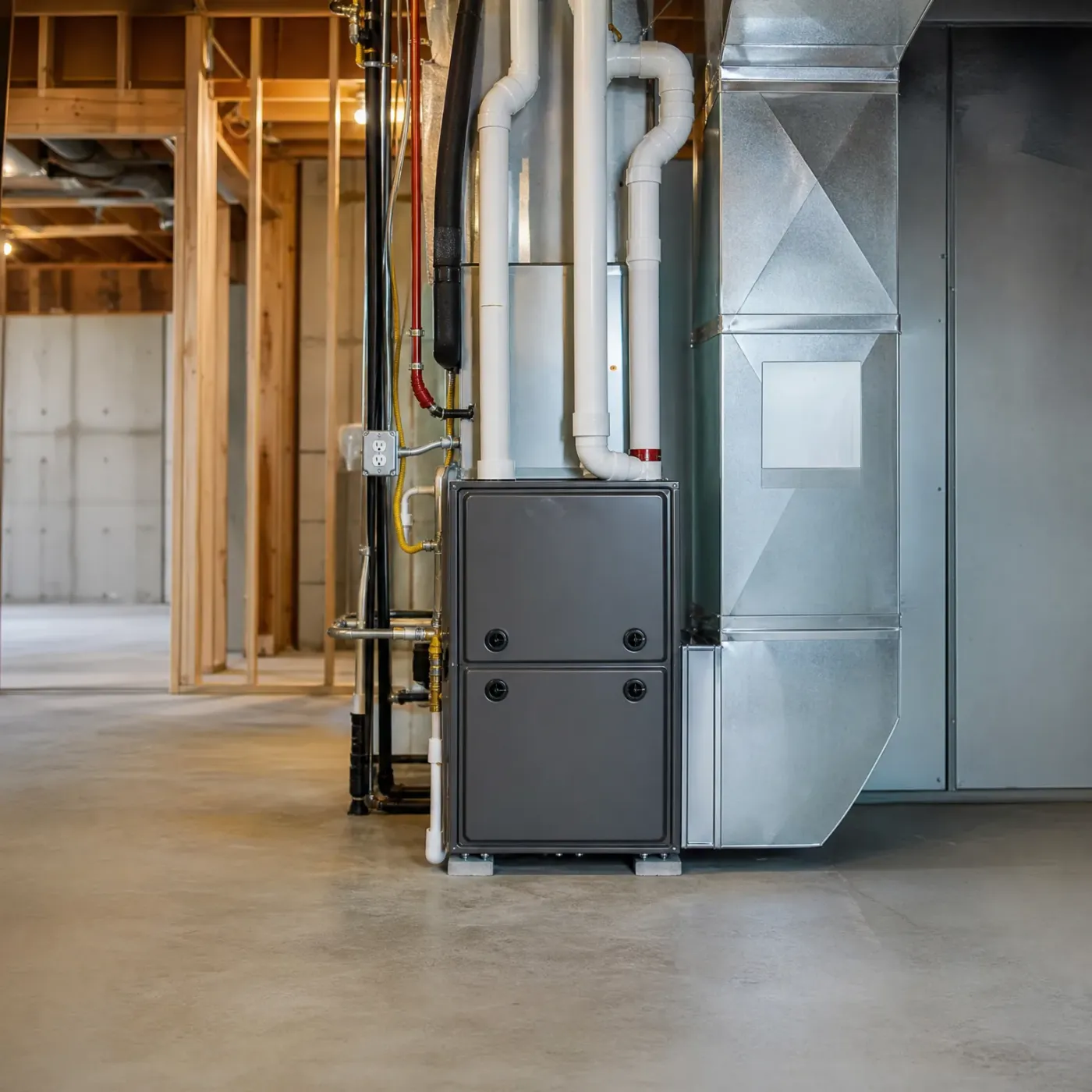
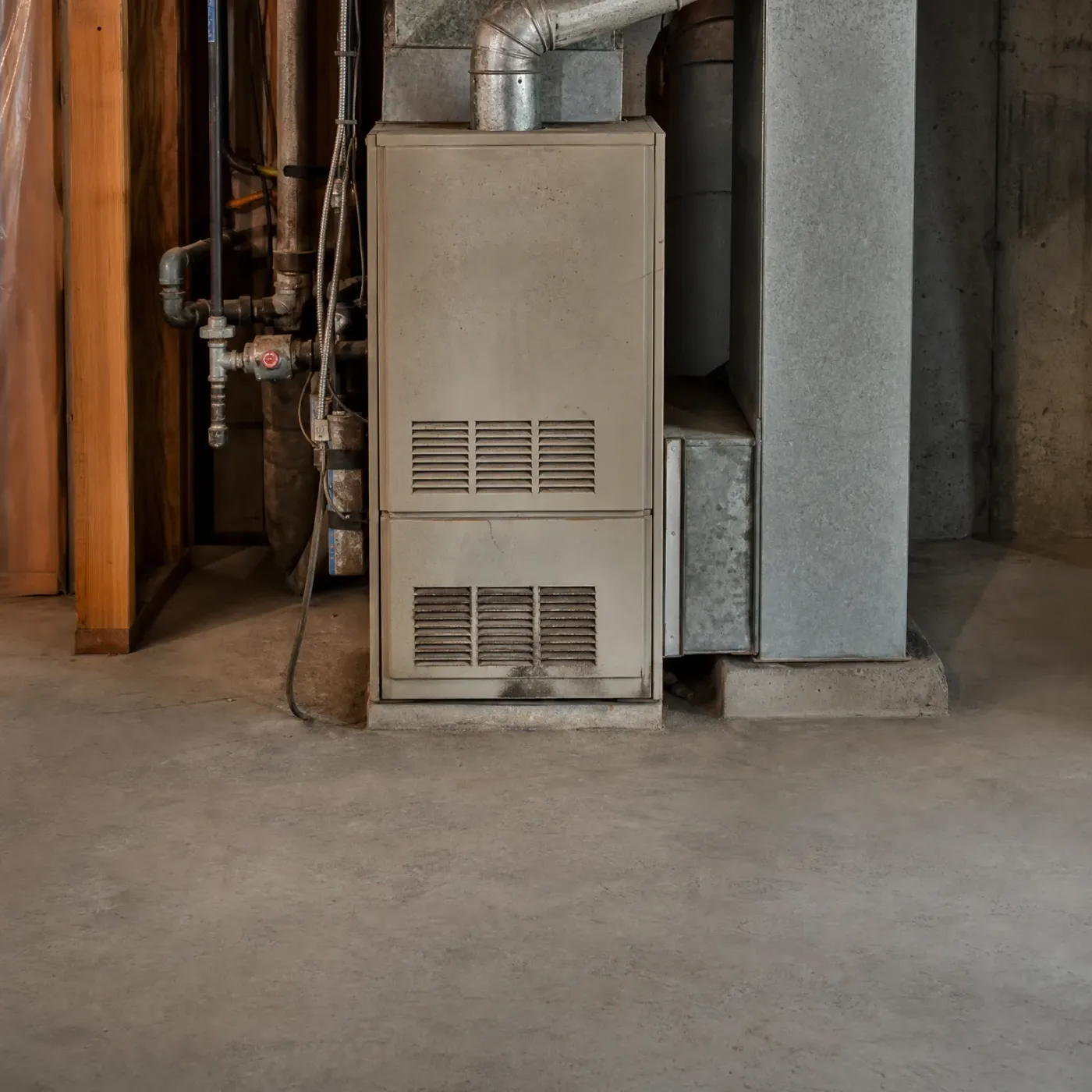
Does running a humidifier mean my furnace isn't working right?
A furnace has no way to add moisture to the air it heats, so running a humidifier alongside it is not a sign of a problem. It's a separate device doing a job the furnace was never built to do. What matters is whether your furnace is running the way it should otherwise, cycling on and off at reasonable intervals, heating evenly room to room, not short cycling or running longer than it used to. A maintenance visit checks those things directly, the igniter, the burners, the blower, airflow through the ducts. If those check out fine, the dryness you're feeling is just what warm air does to low humidity, and a humidifier is the right tool for that, not a patch for something broken.




Once you send the form, finding a pro is off your list.
Sending the form costs nothing.


Florida winters are short enough that most people only notice the dry air for part of that stretch, which is exactly when a furnace due for a check tends to run hardest.
A cracked heat exchanger or loose duct connection lets a furnace pull in more outside air than it should, and that extra draw is part of what dries a house out.

You'll notice it on your hands first, then the static when you touch a doorknob, then a few cracks showing up in the trim or along a wood floor seam. None of that means anything is broken. It means the air in your house has less moisture in it than it did in July, and your furnace is moving that air around without adding any back.
Where it gets worse is when the furnace itself isn't running clean. A unit that's overdue for a look pulls more air through the house to do the same job, and that extra air movement dries things out faster than it should. If a furnace due for maintenance is the reason yours is working harder than it needs to, that's worth having someone check. Once you send in your information, a contractor who handles this in your area takes it from there and reaches out to you.

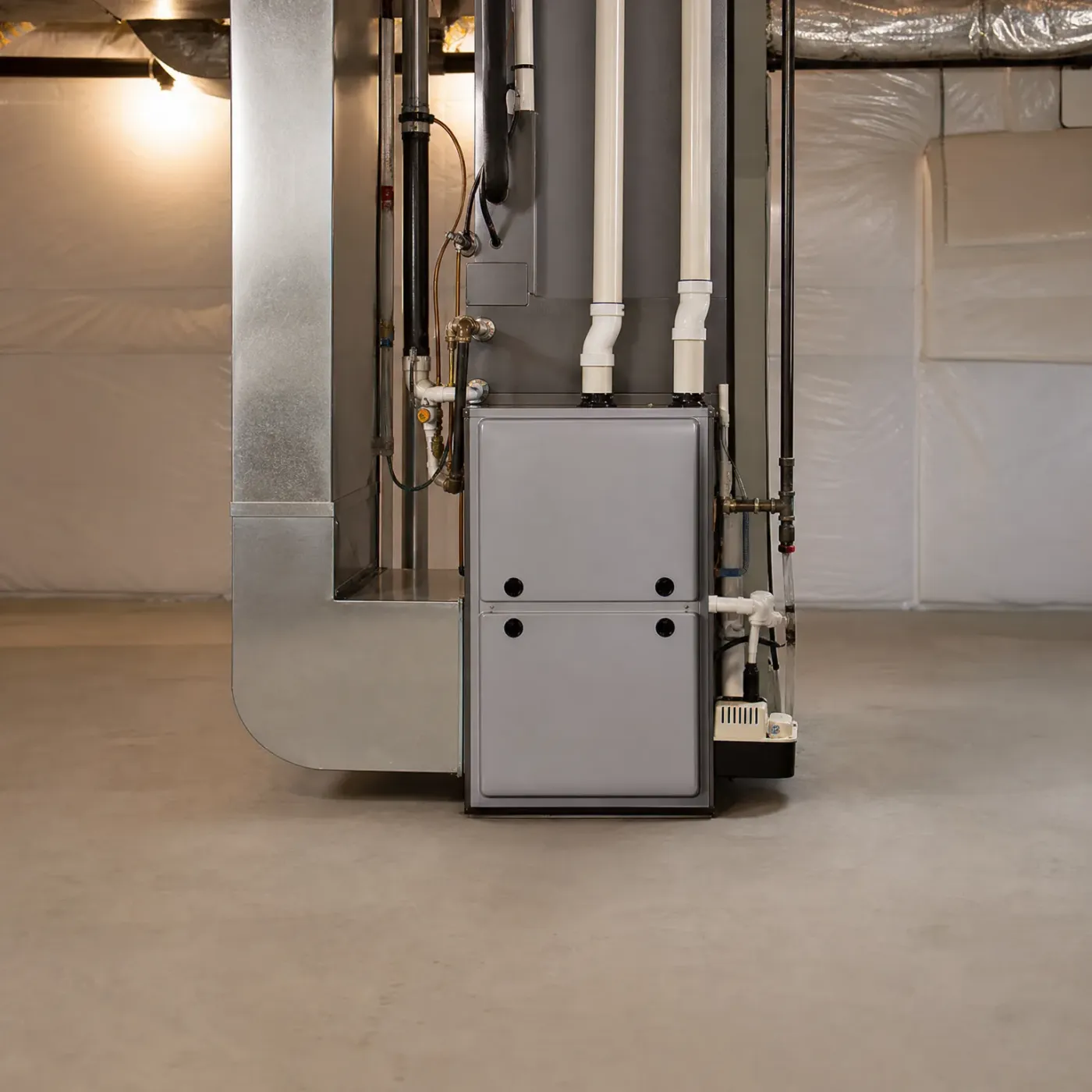
A furnace that's been serviced heats the air and moves on, nothing calling attention to itself. The ducts stay sealed, the burner fires the way it's supposed to, and the dry air you get is just what warmed air does. Nothing extra is pulling moisture out beyond that.
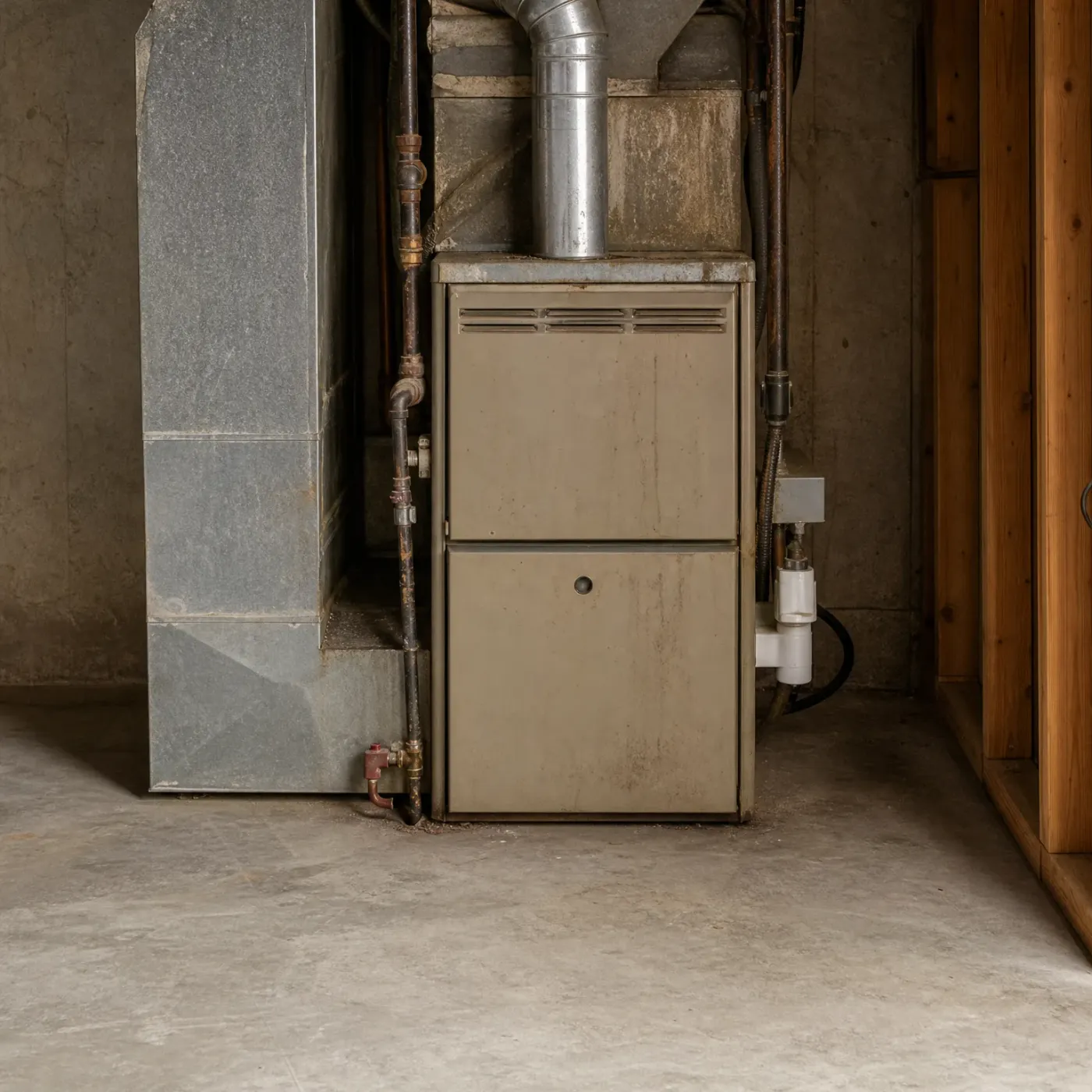
An older unit that hasn't been looked at can draw in more outside air than it should, through a loose duct joint or a gap around the cabinet. That extra air is bone dry to start with, and the furnace just adds heat, so the house ends up drier than it needs to be.
A 52°F night doesn't ask much of your furnace. It only has to warm the air a little, and that air was already carrying almost no moisture before it came inside. Short, mild runs like that still dry out a house if the furnace hasn't been looked at in a while.
NOAA nClimDiv 1991-2020 county normals weighted by homes
Your house isn't dry because it's winter in Florida. It's dry because warmed air holds the same small amount of moisture the cold air outside came in with, just spread through air that's now warmer, so it reads as dry on your skin and in the air itself. That part is normal. What isn't automatic is how hard your furnace has to work to do that job, and whether it's pulling in extra dry air through a duct gap or a loose seal while it runs. A furnace that's been looked at heats the air and stops there. One that hasn't might be drawing in more dry air than it needs to, which makes the whole house feel drier than it should for a 52 degree night. The static on the doorknob, the dry hands, the hairline crack in the trim, those are all the same signal, not separate problems. A humidifier can answer the symptom, but it won't tell you if the furnace is running the way it's supposed to. Since Florida winters are short, this might only bother you for a few weeks a year, which makes it easy to shrug off rather than have someone check. If you'd rather know than wonder, sending the form is the last thing you have to do yourself. Finding someone to look at it stops being your job the moment it's sent.




Send the form, and lining up the furnace tune-up stops being yours to chase.
It costs nothing to send, and you don't have to hire anyone.