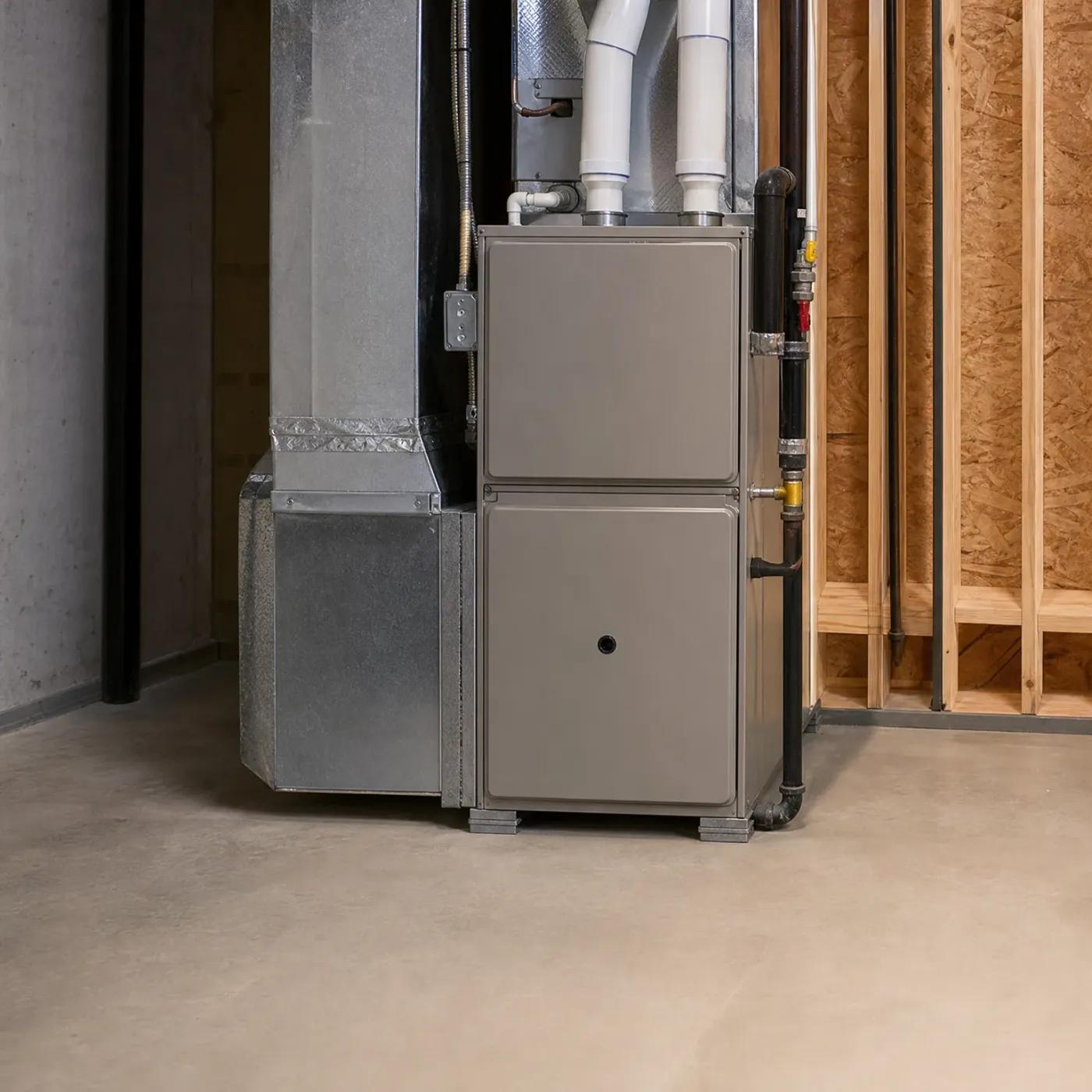
Furnace Lighting Normally
This is what a good ignitor looks like doing its job. It glows, the gas catches, and the burners light on the first try. No hesitation, no clicking through two or three attempts before it fires.
 Let a pro reach out
One request and the search for a pro is handled.
A furnace that won't light the second or third time this year isn't unlucky. Florida homes heat only a few months out of the year, and most run on electric furnaces instead of gas. That part sitting unused for seven or eight months at a stretch, through a muggy Florida summer, is exactly the kind of thing that fails early here.
An ignitor is a small, brittle part. It heats up, cools down, and over time the metal gets weaker at the spot where it flexes. Humidity sitting in the ductwork and furnace cabinet during the months the system isn't running adds to that. By the time you turn the heat on in December, the ignitor has already spent most of the year sitting in damp air doing nothing, which is worse for it than running every day would be.
So if this is the second time in a few years you've had to deal with this, it's not a fluke and it's not something you did. It's the part and the climate it sits in.
What you don't need right now is to spend an evening calling around, explaining the same problem to four different contractors, and then trying to sort out who actually knows furnaces versus who mostly does AC work. Florida furnace work is a smaller trade here than it is up north, and finding someone who deals with it regularly takes longer than finding an AC tech.
Send the form on this page and that search is done. You won't be the one tracking down a contractor, vetting them, or waiting on hold. A licensed contractor who handles this gets the details of your situation and reaches out. The part of this that's just logistics, the calling, the comparing, the re-explaining, stops being something you have to carry.
What's below walks through why this happens in Florida specifically, and what tends to fix it for good.
You've already replaced this part once, maybe twice, and it's failing again. That pattern, not just one bad part, is what makes you ask whether something in your house is causing it instead of the igniter itself being defective.
A furnace igniter is a thin strip that heats up to light the gas. That strip is brittle, and it reacts to moisture in the air around it. In Florida, the furnace sits idle most of the year in a humid space, often a garage or closet that never gets sealed off from the outside air. Moisture settles on the igniter during all those unused months, and the metal weakens a little each time. When the furnace finally calls for heat in December or January, that weakened strip is the first thing to fail. A new igniter put in under the same conditions wears down the same way, which is why it keeps happening instead of being a one-time repair.
This is what a good ignitor looks like doing its job. It glows, the gas catches, and the burners light on the first try. No hesitation, no clicking through two or three attempts before it fires.
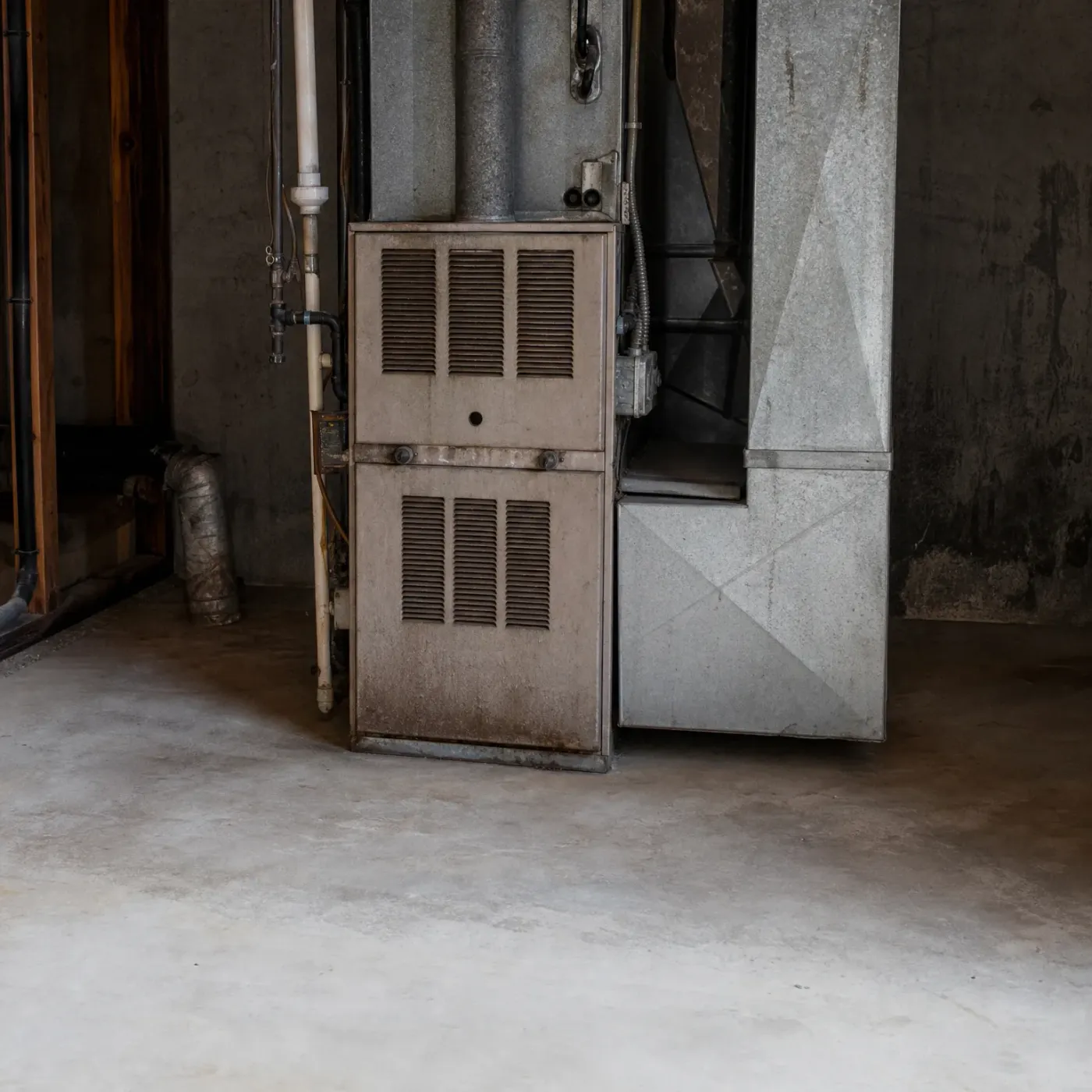
Furnaces that sit idle for months, then get asked to cycle on and off through a run of cold nights, put real strain on that part. Basement moisture doesn't help either. An older unit showing rust or staining nearby is more likely to be next.


An ignitor that fails twice in one winter isn't a part you just replace again and hope. In a Florida house, that furnace sits idle through a humid summer, and the moisture that settles into it during those months is likely working against whatever ignitor goes in next, gas or electric. Until someone looks at the unit itself, each new ignitor is just waiting for next winter to fail the same way. Finding that someone is the part that eats your time, calling a few companies, describing the same failing part over and over, waiting to hear back, then weighing quotes against each other with no way to know who actually knows what they're looking at. Send the request once and that search is off your plate. One contractor gets it, looks at your furnace, and tells you what's actually wearing this ignitor out before winter asks it to light again.
A silicon nitride ignitor cracks from repeated heating and cooling, and moisture speeds that along. Humid air sitting in the furnace cabinet all summer reaches the ignitor itself, and the metal leads and connector behind it too. When the furnace finally calls for heat in December or January, that ignitor is heating up with some amount of moisture already on it. The stress of going from room temperature to over 2000 degrees in a few seconds is what eventually cracks the element. A dry ignitor handles that jump many times over. One that's been sitting damp for months is working against itself before it ever glows.
Swapping in a new ignitor fixes the symptom, not the cause, if the furnace cabinet still gets humid between heating seasons. The same moisture that weakened the last one reaches the new one the same way, through the same vents and gaps, every summer it sits unused. A contractor can check whether the cabinet is sealing the way it should and whether the flame sensor and connections nearby are corroding too, since they're exposed to the same air. That's a different diagnosis than a worn-out part, and it's the one that explains why this keeps happening instead of happening once.
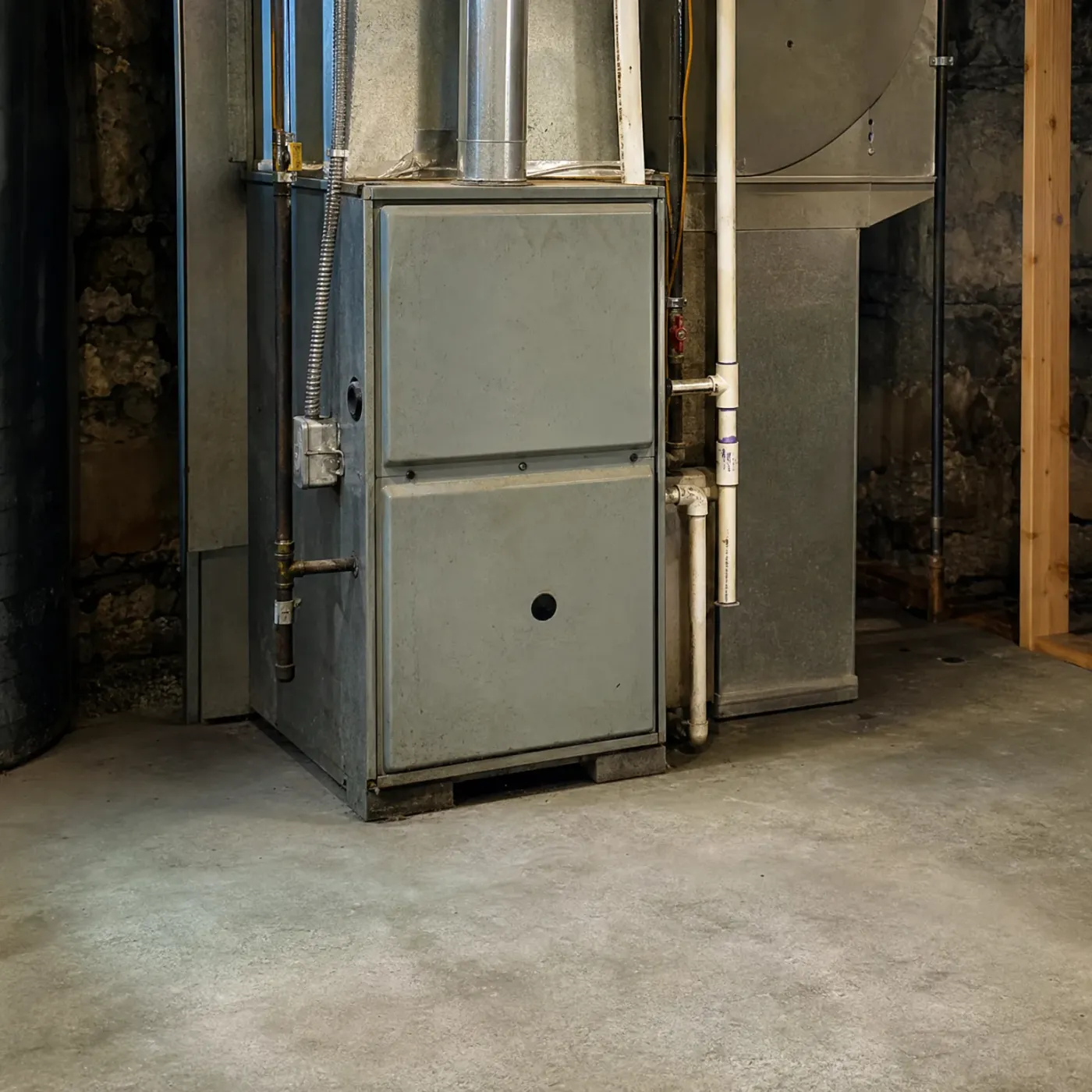
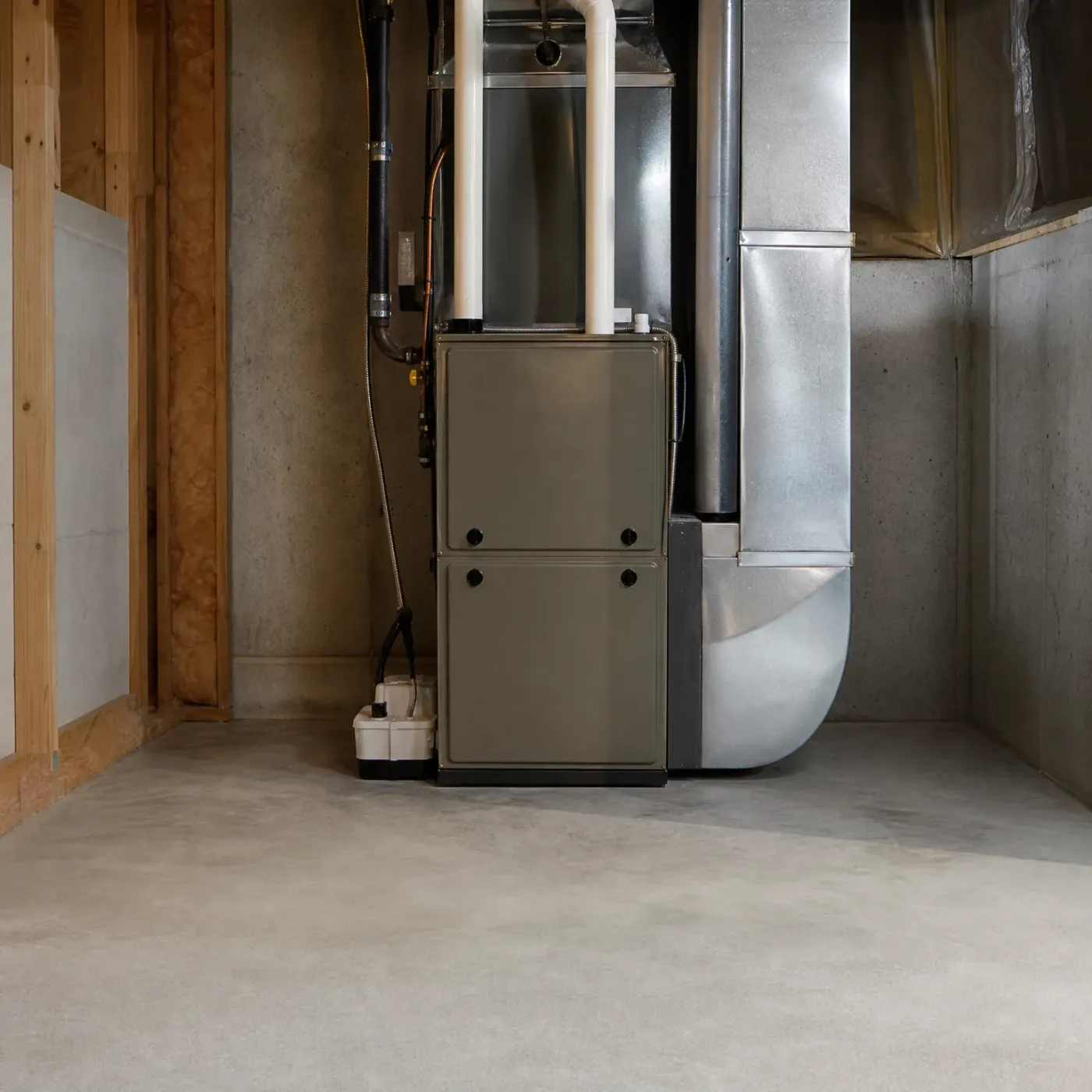




Nights here only get down to about 52°F on average, even in the dead of winter. Your furnace never has to work hard to catch up, so it fires a handful of times, shuts off, and goes quiet again. That short, light duty cycle is normal here, but it's also why a struggling ignitor gets fewer chances to show itself before it fails outright.
NOAA nClimDiv 1991-2020 county normals weighted by homes
A furnace ignitor that keeps failing in a Florida house usually comes down to the same thing: the part sits idle most of the year while humidity works on it, then gets asked to fire on a cold night with no warning. Replacing it again buys you heat for now, but it doesn't change what happens to it next summer. If you want someone to look at whether the cabinet is sealed right or the ignitor just needs a sturdier replacement, that's a repair call, not another part swap. Sending the request here means you're not the one searching for a contractor, calling a few, explaining the same failed-twice story to each one, then sitting with quotes trying to guess who's right. That part of it is handled once you send the form. Someone still has to look at your furnace and tell you what's actually going on with it. But you won't be the one tracking that person down.
Explain the job once and skip repeating it on every call.