The filter doing its job
A clean filter sits flat and pale behind the furnace, air moving through it without a fight. The blower pulls steady, the plenum stays quiet, and the furnace only has to push air, not fight through a mat of dust first.

You swapped the filter not long ago and it's already gray. In Florida that catches people off guard, because the furnace barely runs most of the year. If it's hardly on, why does the filter look like it's been working overtime? The short version has to do with what else is moving through your ductwork even when the heat isn't.
Your furnace's blower doesn't only run when it's heating. The same fan moves air for your AC, and in Florida that system runs most of the year against a lot of moisture. Humid air carries more dust, pollen and mold spores than dry air does, and all of that settles on the filter every time the fan kicks on. So the filter isn't dirty because of heating. It's dirty from months of cooling in a wet climate. A filter that would last a season somewhere drier can load up fast here, and checking it monthly instead of waiting for the usual swap date catches that before airflow suffers.
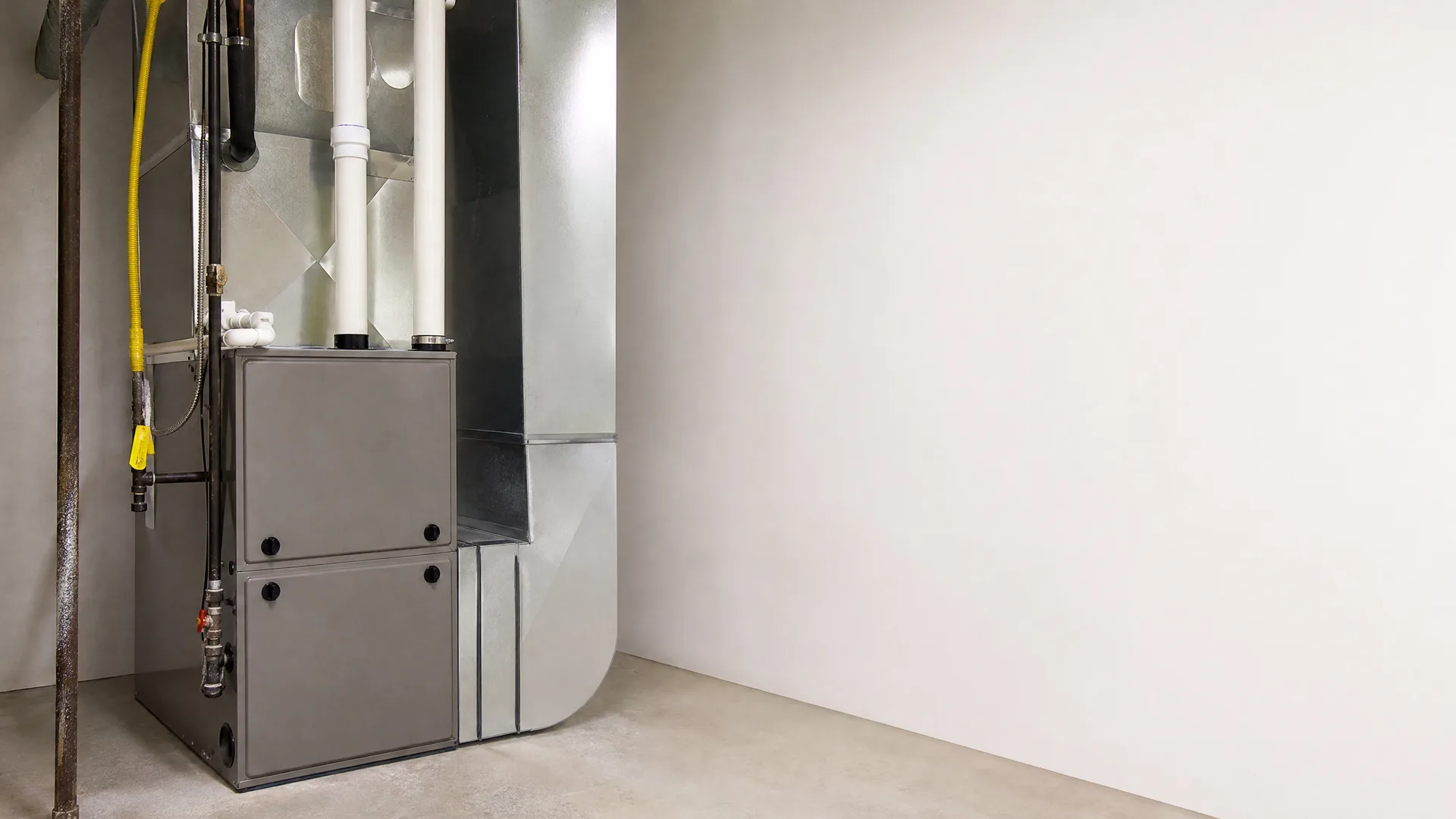
Most homes here heat with electricity, and that system's blower is often the same one that runs your air conditioning. Through the muggy months it's cycling constantly, pulling air through that same filter again and again. By the time fall comes and the furnace side kicks on, the filter has already been working hard for months under a different name.
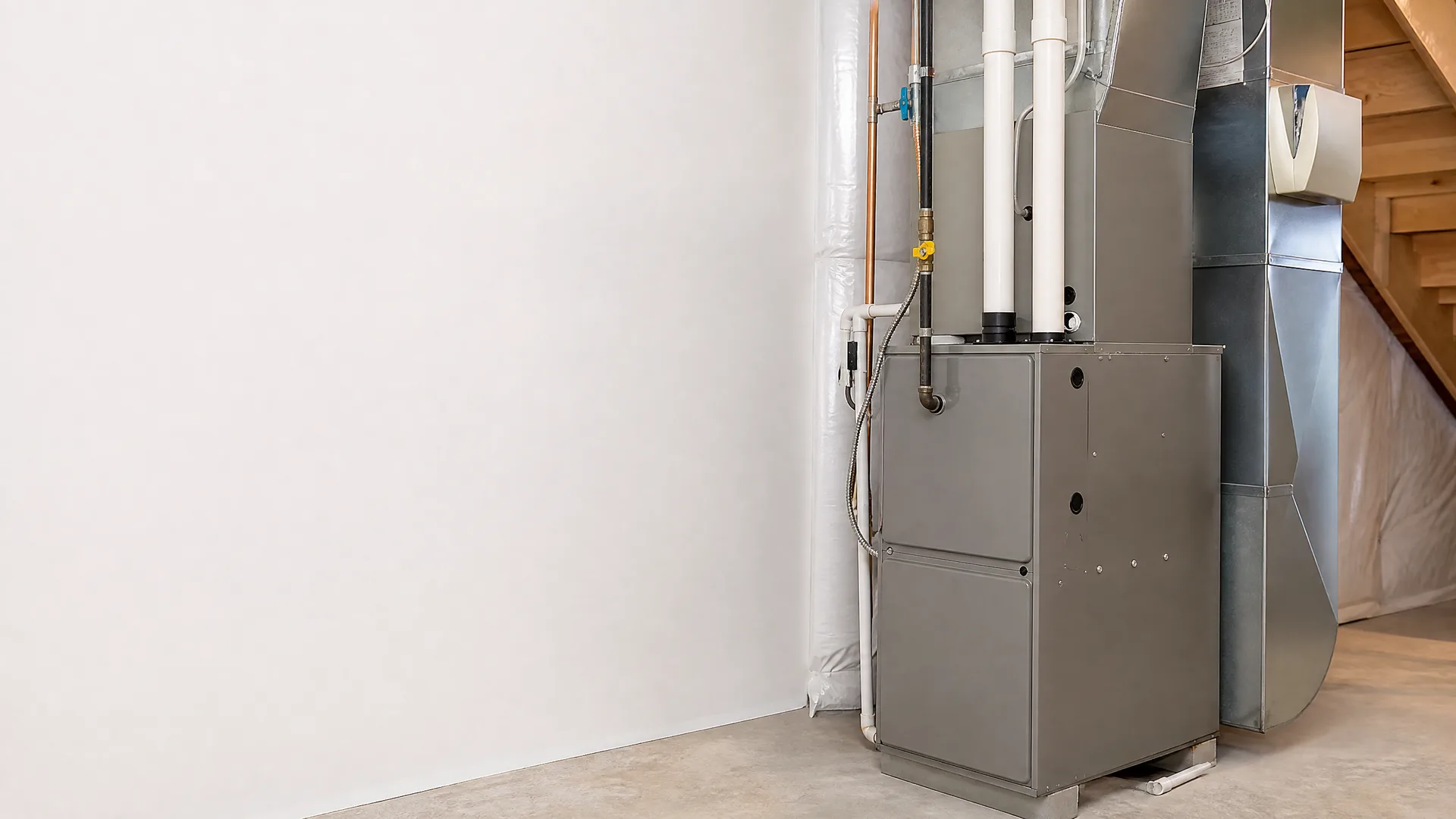
A dry filter lets fine dust pass through more easily than a damp one. Florida air carries moisture even indoors, and that moisture settles on the filter fibers along with everything the air carries. Dust, pollen and lint cling to a damp surface instead of sliding past it. That's part of why a filter here can look loaded well before the furnace has logged much runtime on its own.
Check the filter and you'll probably find it gray or matted well before you expected. You might also notice the air coming from the vents feels weaker than it used to, or that the house takes longer to cool back down after a hot afternoon. That's the blower working harder to pull air through a filter that's already clogged. Left too long, that strain falls on the same blower motor your furnace depends on come the cooler months, and a filter that's packed with debris isn't catching much of anything new. It's a small thing to check, and an easy one to let slide for a year this long.
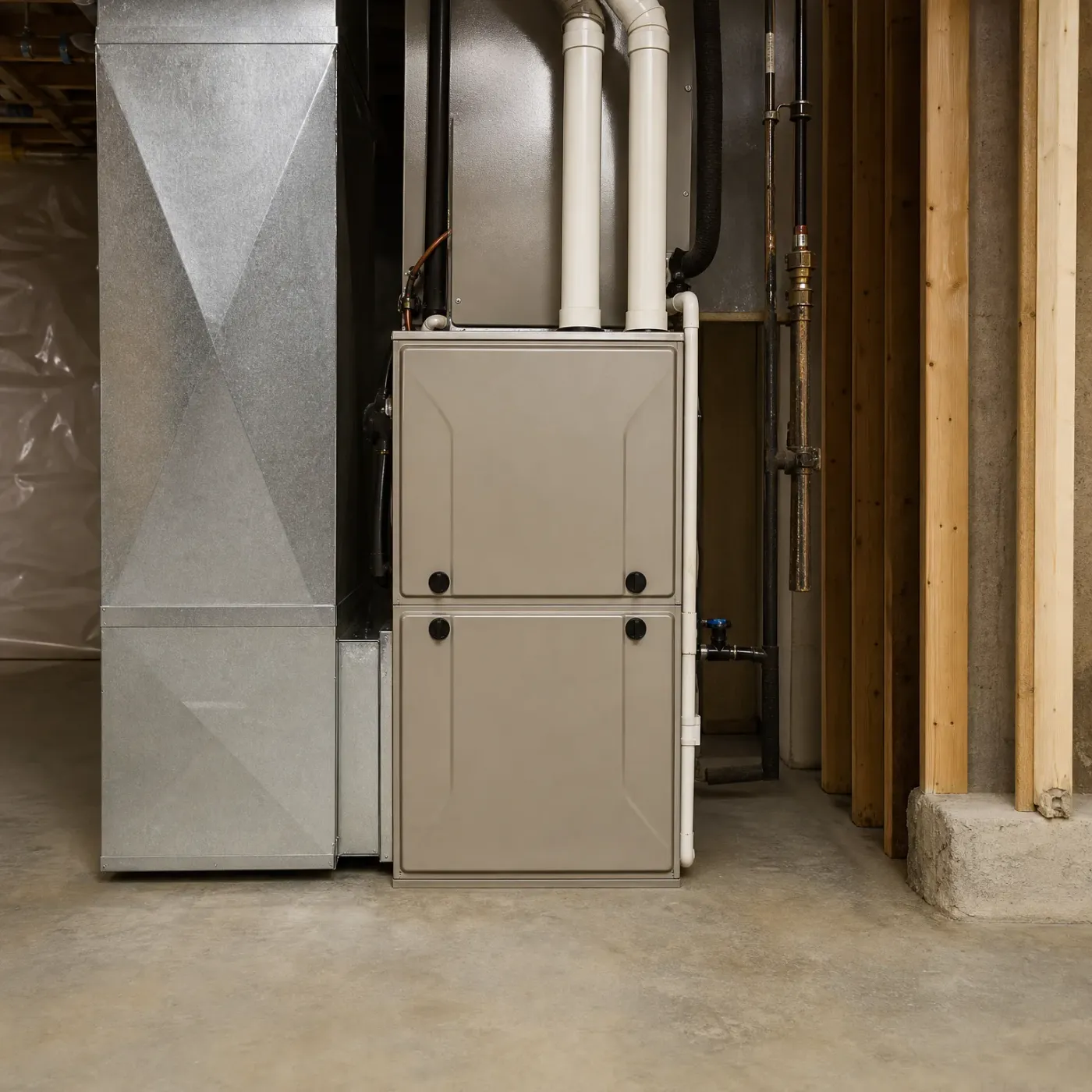
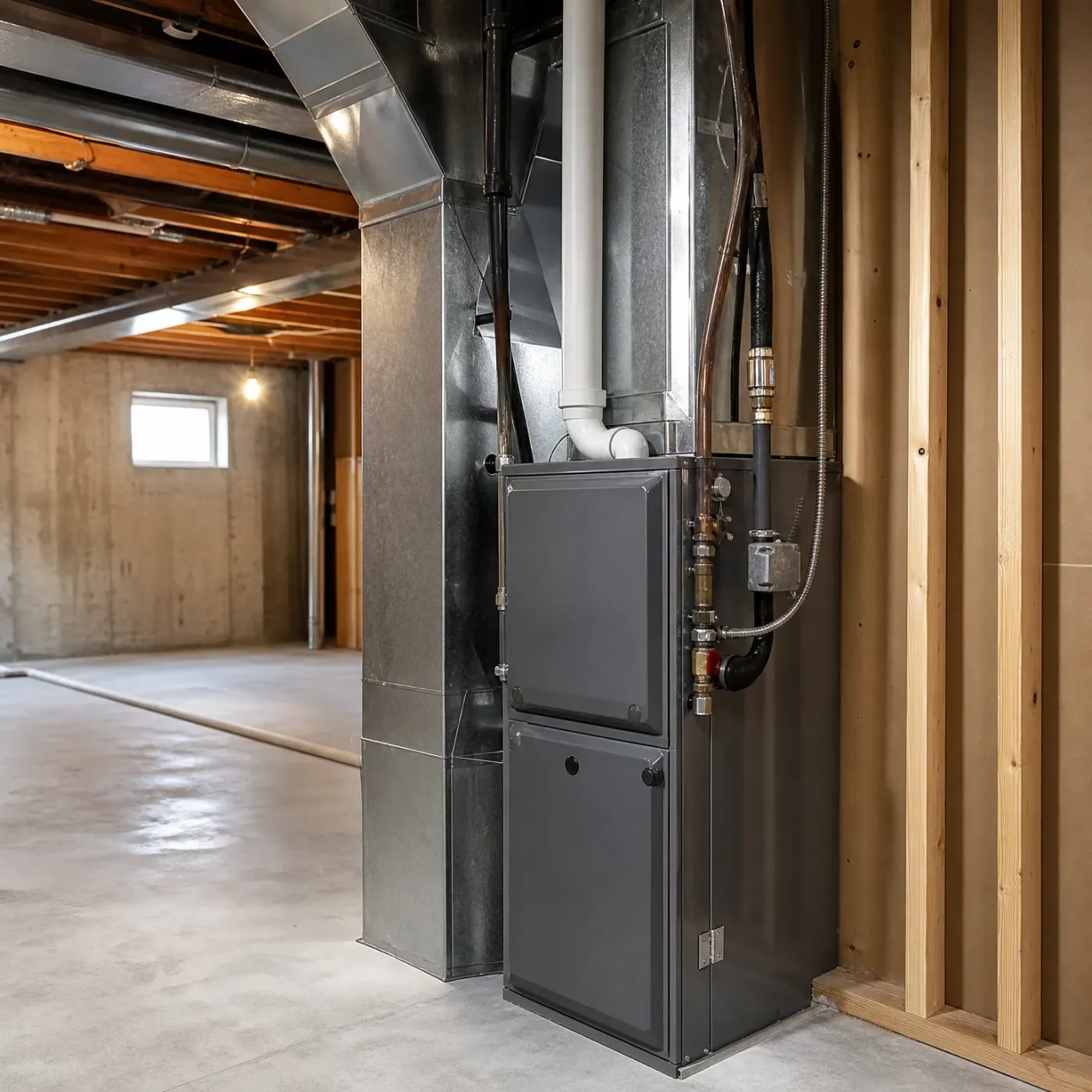
A clean filter sits flat and pale behind the furnace, air moving through it without a fight. The blower pulls steady, the plenum stays quiet, and the furnace only has to push air, not fight through a mat of dust first.
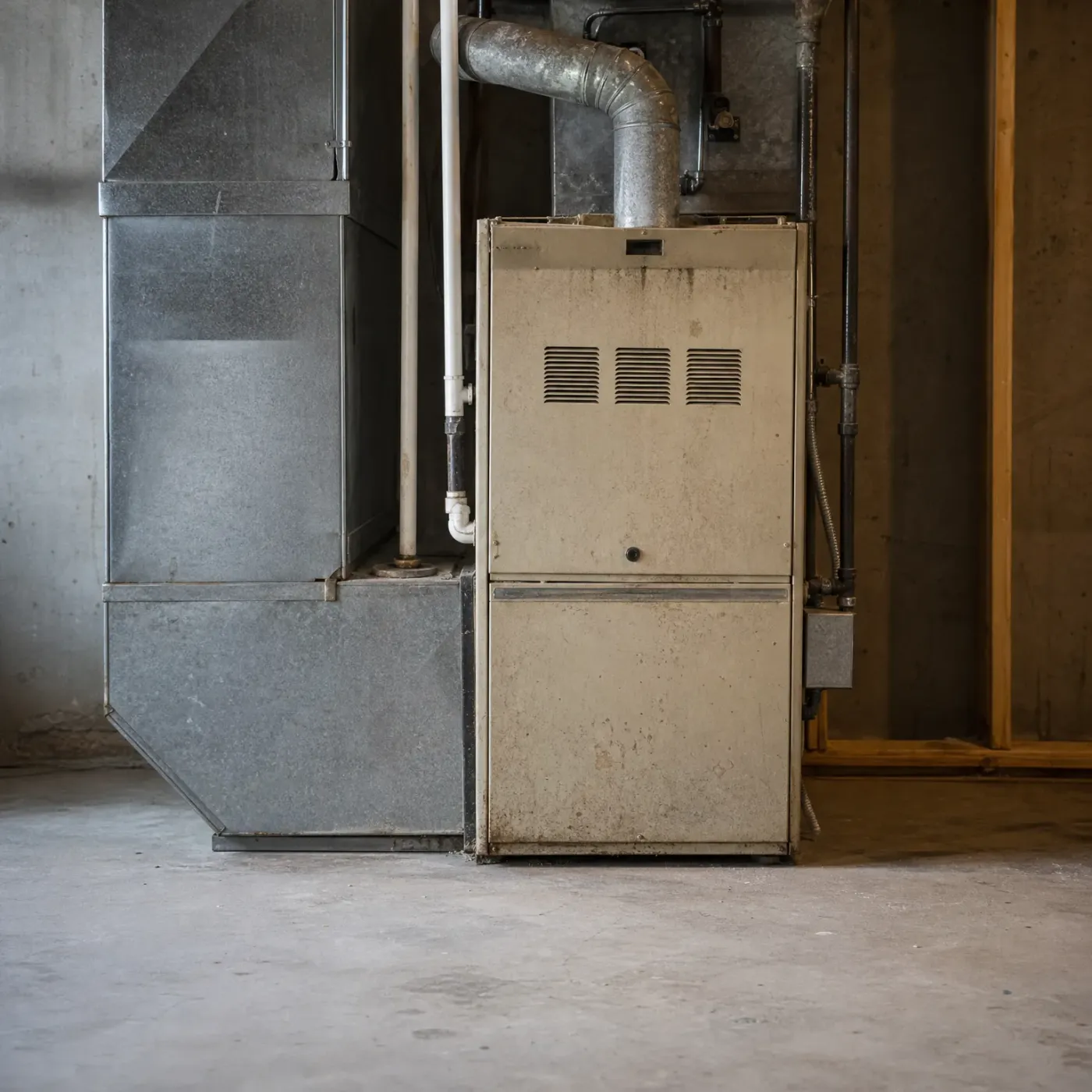
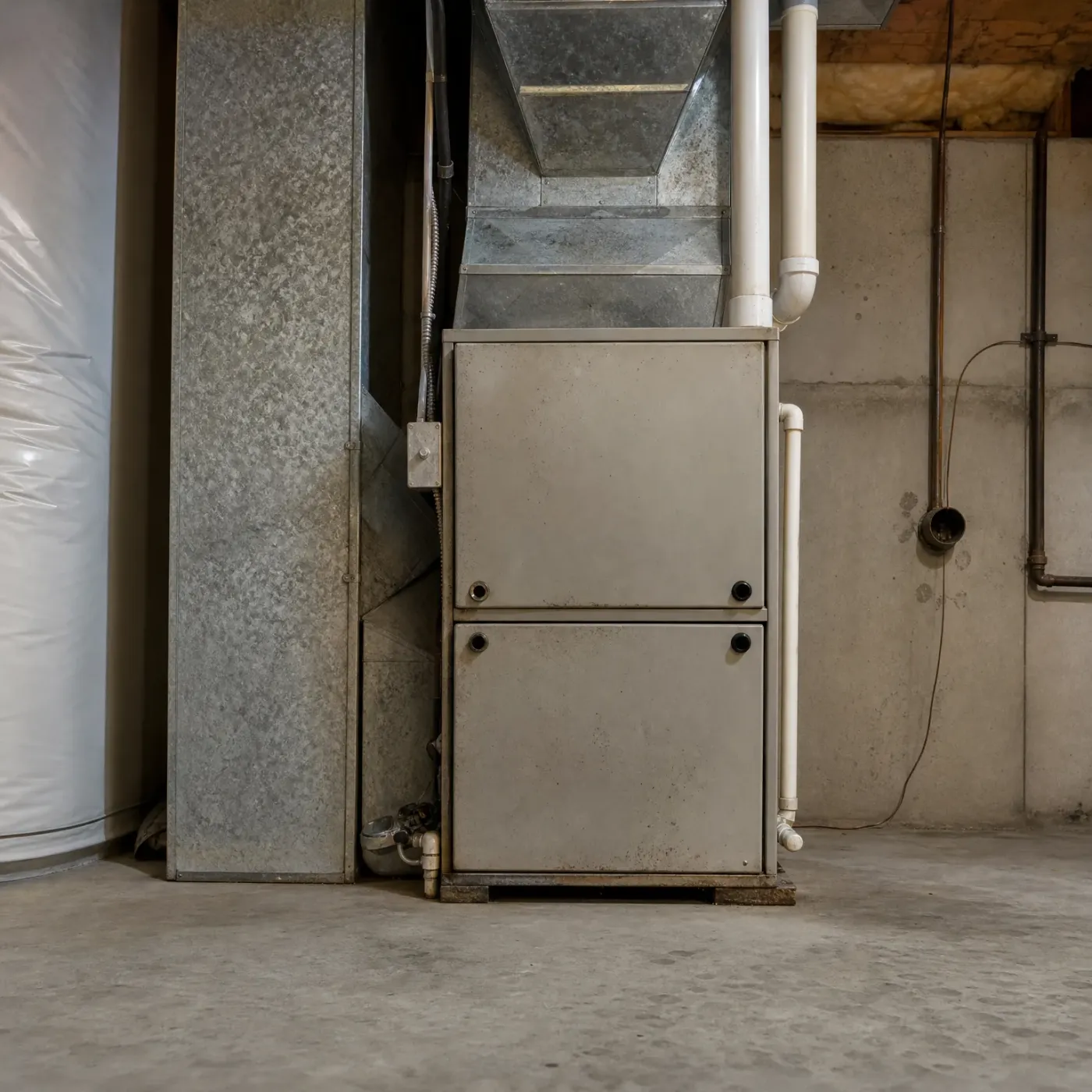
This one has run with the same filter for months, through all that humid air cycling day and night. The pleats are gray and packed solid, and the furnace has to work harder just to move air through it.




Send the form and the furnace tune-up stops being something to remember.
Describe your furnace job, and a local pro who handles it gets in touch.
You only hire the pro if you want to.

That filter sits in the same spot whether the blower is pushing heat in January or pulling cool air through the coil in July. It doesn't know the difference, and it doesn't rest between the two. Every pass of air, warm or cool, carries dust, lint, and whatever's floating in the house, and the filter catches it. In a house that runs the blower nearly year round because of the air conditioning, that filter is doing far more work than its size suggests, long before the furnace side ever kicks on.
A tech who services the system looks at more than the filter when they're out. They'll check the blower wheel for buildup, look at the coil the air passes over right after the filter, and see whether the return is pulling from a spot that loads it up faster than normal, like a closet or a room with the door usually shut. Getting someone out who can look at the whole path, not just hand you a new filter, is what actually tells you if the system's keeping up or working harder than it should.

Warm, humid air gets pulled into the return vent.
The filter traps dust before air reaches the blower.
The blower pushes that air across the indoor coil.
Moisture in the air clings to dust already in the filter.


Pull the filter out and hold it up to a light. If you can still see light coming through evenly, it's good for a few more weeks. If it looks gray or you can feel grit on it, it goes in the trash. This takes less time than finding the right size filter at the store, and it means the blower never has to work against a filter that's already half blocked. You catch it before the air coming from the vents starts to feel weak or the house starts taking longer to cool down.
Leave the filter alone and you won't notice anything wrong at first. The blower just works a little harder, quietly, month after month. By the time the vents feel weak or a room won't cool like it used to, the filter has been restricting airflow for a while already. Dust that got past a clogged filter can reach the coil and the blower itself, which is a different problem than swapping a filter. Waiting doesn't save you anything. It just moves the cost from a filter to whatever the dust built up on next.
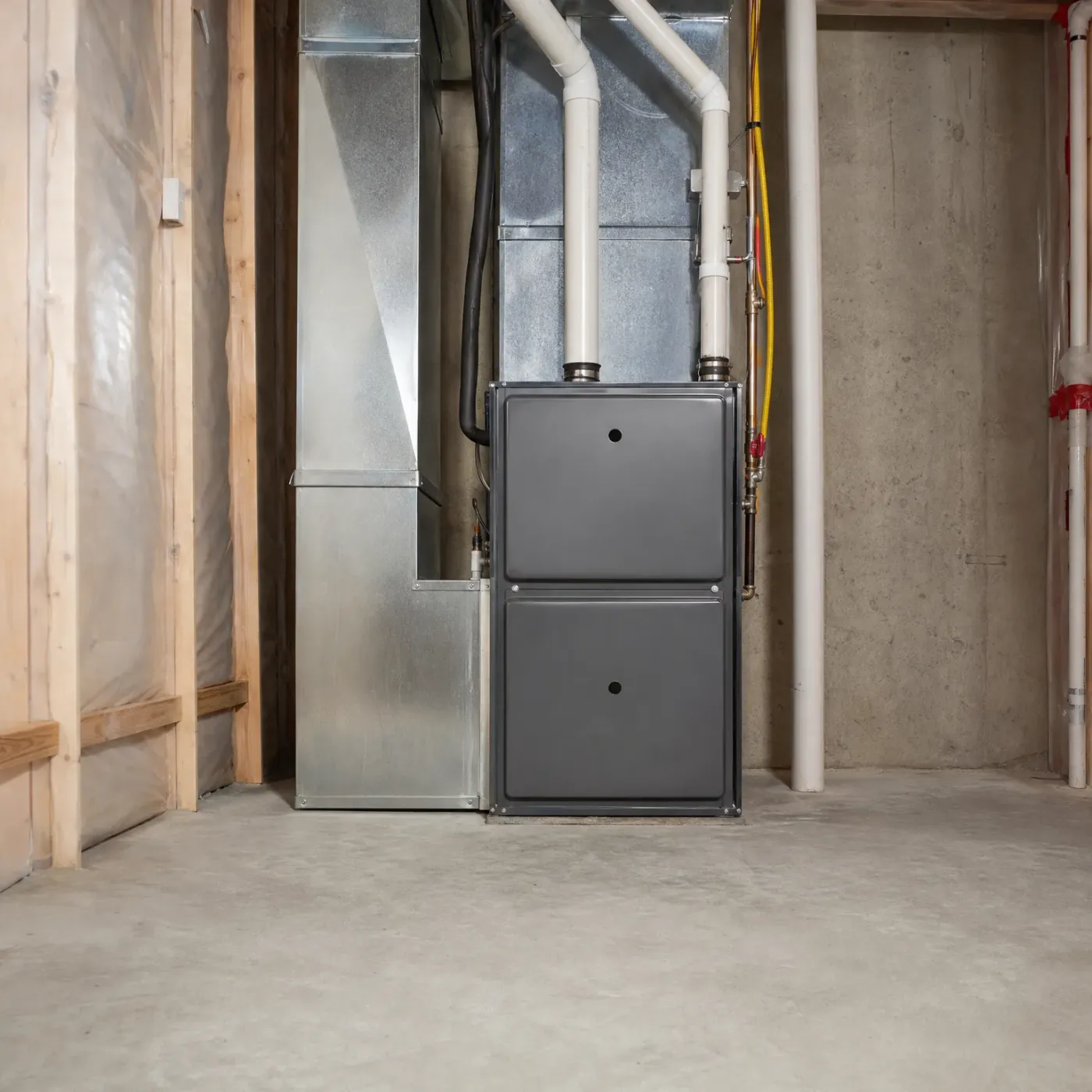
The filter keeps clogging and the blower keeps straining to pull air through it. Airflow drops, the system runs longer than it should, and dust keeps working past it into the coil.
A contractor can check the coil and blower for buildup the filter already let through and set a filter schedule that matches how hard your system actually works here.
Winter nights here only drop to about 52°F, so the furnace isn't doing the hard work a northern system does. It still sits in that same airflow path next summer when humidity builds, and that's where most of its filter load actually comes from.
NOAA nClimDiv 1991-2020 county normals weighted by homes
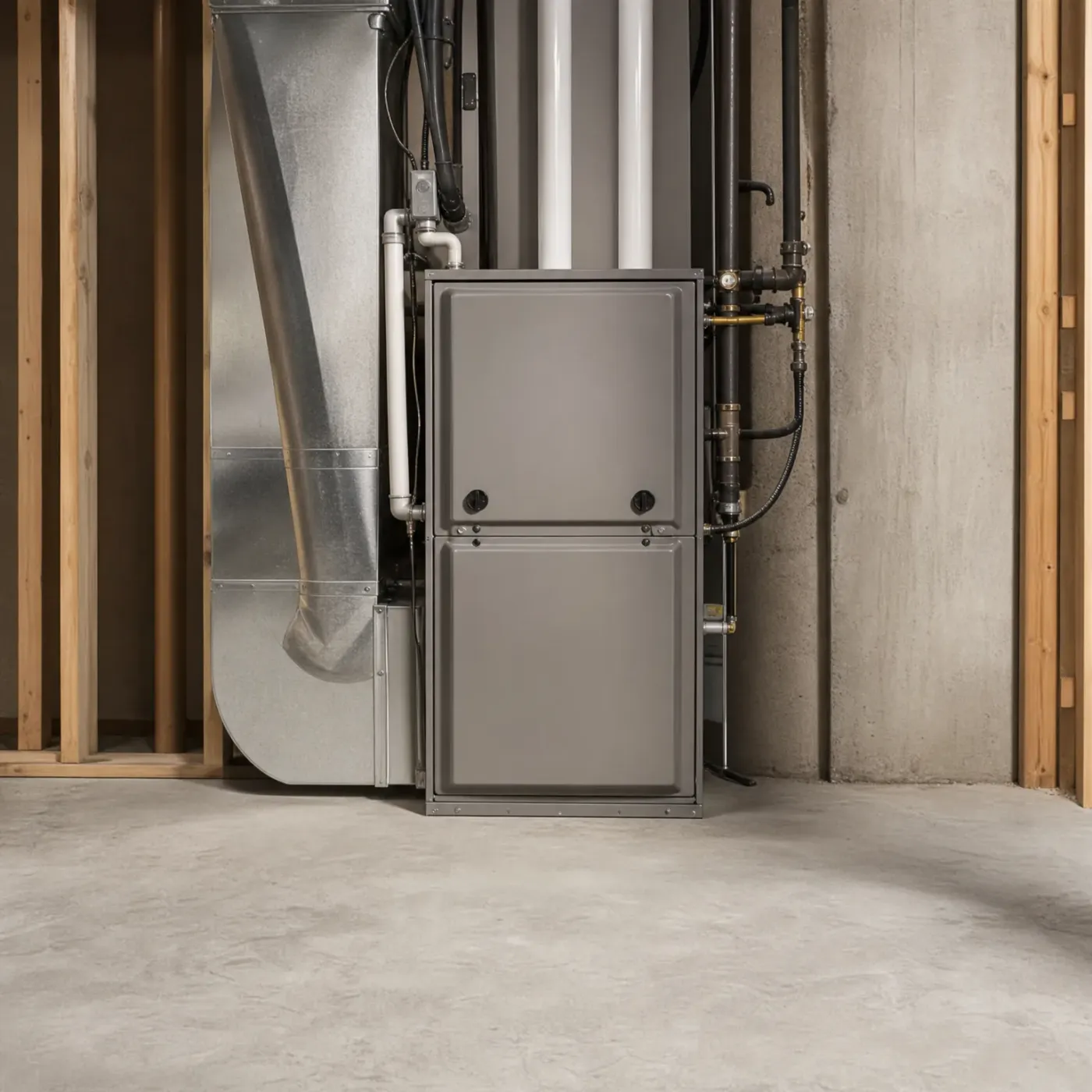
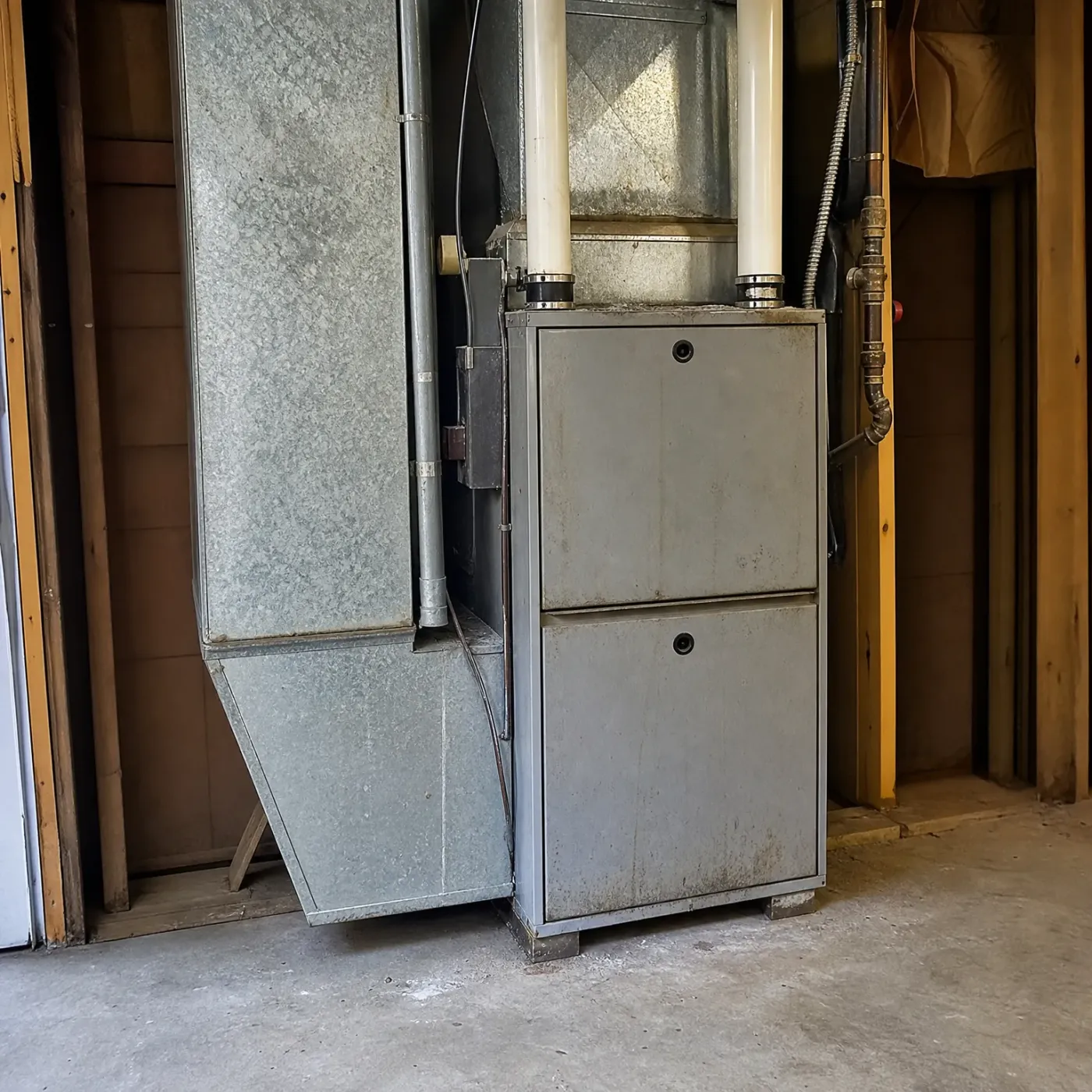
The filter gets dirty fast because of what the air handler is actually doing all year, not because anything is wrong with your furnace. Once you know that, the gray filter stops being a surprise and just becomes something to stay ahead of. A contractor who looks at the whole system, the blower, the coil, the filter fit, can tell you whether it's keeping up or whether dust is already getting past it. You don't have to figure out which one it is yourself. Send the form and that search is off your plate, someone who does this for a living takes it from here. You'll still want to check the filter yourself between visits, that part doesn't change. But deciding whether the system needs more than a new filter, that's not something you have to carry alone anymore.





Once you send the form, finding a pro is off your list.
No fee to send it, and nothing to sign.