Matched to your furnace job
What size generator runs a furnace in Florida
Most homes in Florida heat with electricity, so a furnace sized for the house needs real generator capacity, not a small portable unit. This page gets into the numbers behind that and what else in the house draws power alongside it. If you want it looked at directly, you can get matched with a local contractor who installs these year round and knows what fits your setup.
Get a furnace proMost furnaces in Florida are electric, and that changes the math on generator size. A gas furnace only needs enough power to run its blower and controls, often under 1,000 watts. An electric furnace uses heating elements that draw much more, and a whole-house electric furnace can call for 10,000 to 25,000 watts on its own, before anything else in the house turns on. That rules out the small portable generators sized for a few lights and a refrigerator. Sizing one for your furnace means knowing which kind you have and what else runs at the same time, since the air handler, water heater and well pump all add their own draw. Get that number wrong and the generator either stalls when the furnace kicks on or sits oversized and wasteful. A contractor sizing this for your house will look at the furnace nameplate and the rest of your electrical load, not just one number off a chart.
Why the blower matters too
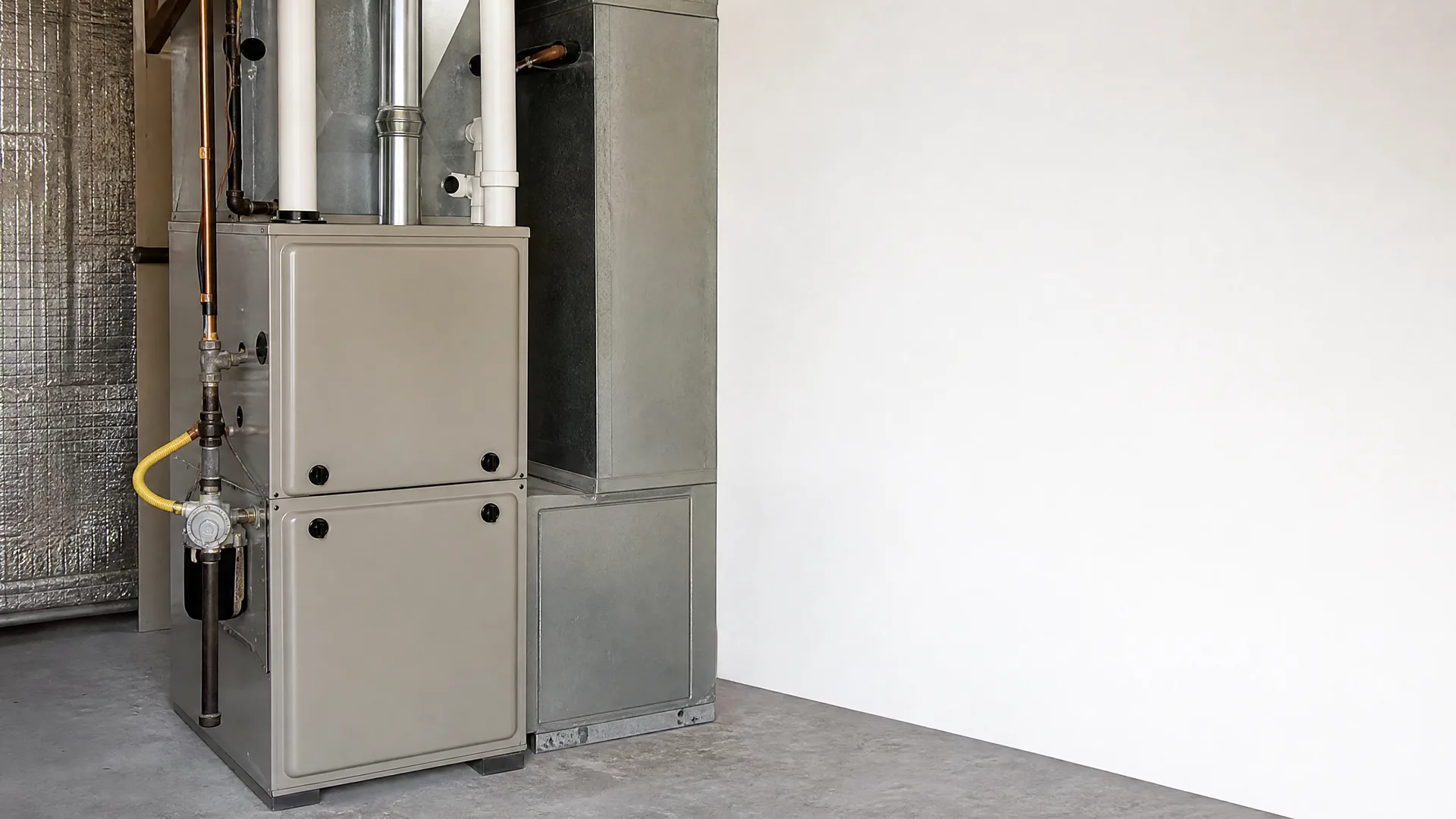
An electric furnace doesn't run on one draw of power. The heating elements cycle on with the blower motor, and the blower motor itself needs a jolt of extra current to start turning before it settles into a lower, steady draw. A generator has to cover that starting surge, not just the running load, or the furnace will trip the breaker trying to start. This is why sizing by the running watts alone comes up short.
What else shares the load
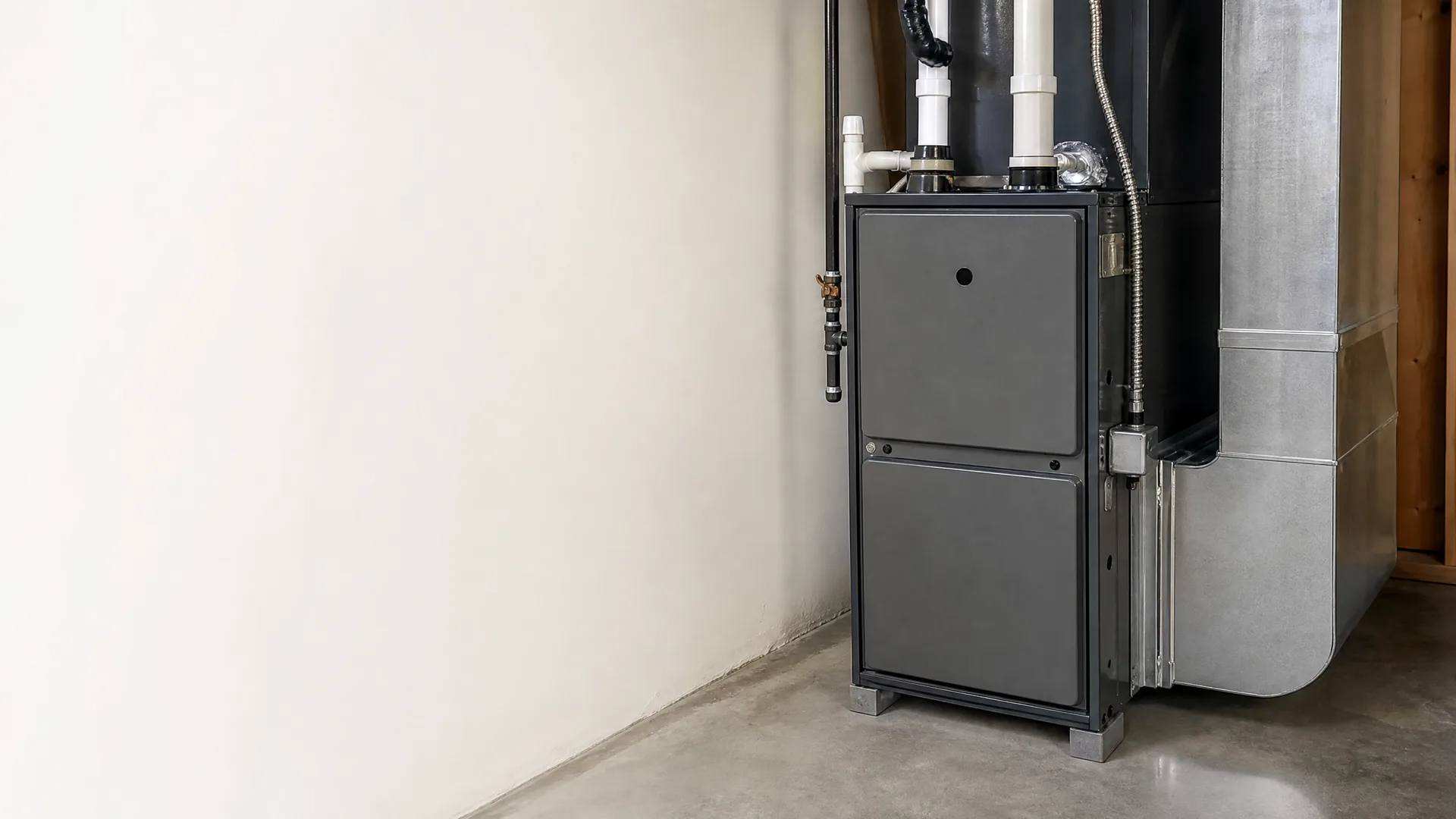
A furnace rarely runs alone on a generator. The well pump, the refrigerator, a few lights and outlets usually need to stay on too, and each one adds its own starting surge on top of its running watts. Add up what you want running at the same time the furnace kicks on, since that's the heaviest moment for the generator to carry. A unit sized only for the furnace can still come up short once the rest of the house is drawing power.
Portable Generator or Standby System
Portable generator
- A portable unit in the 7,000 to 10,000 watt range may cover a small electric furnace, but check the startup draw before you count on it.
- You'll likely need to choose between running the furnace or other large appliances at the same time, since portable units have a fixed ceiling.
- Fuel has to be stored and refilled by hand, which matters if the power is out for more than a day.
- It sits outside and needs to be started and connected manually when the power drops.
- A portable unit costs less upfront, but it asks more from you while it's running.
Standby generator
- A standby system sized for the house can carry the furnace along with the rest of what's running, including the heating elements and blower start-up draw together.
- It starts on its own when the power drops, so the furnace comes back on without anyone home to run it.
- It runs on the home's natural gas or propane line, so there's no fuel to store or refill.
- A contractor who installs these in Florida homes can size it against your electric furnace and panel rather than a rule of thumb.
- It costs more to install than a portable unit, but it's built to run unattended for as long as the outage lasts.


A furnace pro near you
One installer gets your project, so there's no bidding war over it.
A local installer who puts in furnaces gets your project.
You're not committing to anything by asking.




An electric furnace doesn't throw all its heating elements at once. They're built in stages, and the control board brings them on one at a time as it reads how fast the house is cooling off. On a mild night, one stage might hold the temperature fine. On a cold snap, or right after you've had the thermostat down a few degrees, the board can call for two or three stages close together, and that's when a generator feels the real load. This is also where the blower matters. It has its own starting surge, separate from the heating elements, and if that surge lands at the same moment a second stage locks in, a generator that looked sized correctly on paper can bog down. Running the furnace off its own breaker through a transfer switch keeps that load clean, so it isn't competing with a refrigerator or well pump cycling on at the same time. A generator that's a little short on capacity can sometimes still carry the furnace, if the lower stages are enough to keep pace with how fast the house loses heat.
How the furnace actually draws power
- A furnace's heating elements are split into stages, so the full nameplate wattage rarely hits all at once.
- A generator sized for the blower's starting surge will still bog down if two or three heat stages lock in together.
- The furnace's own control board decides when to add or drop a stage based on how fast the house is losing heat.
- A thermostat set to recover a big temperature swing quickly will call for more stages than one set to hold steady.
- Running the furnace through a transfer switch keeps it on its own breaker so it doesn't share a circuit with something else that starts drawing at the same time.
- A generator that's slightly undersized can sometimes still work if the furnace's lower heat stages are enough to keep up with the loss.
What this means for your house
- A generator sized only for the blower can still leave your furnace cold if the heat stages lock in while you're also running a refrigerator or well pump.
- On a cold night your thermostat may call for full heat right as you need lights and outlets running elsewhere in the house.
- An undersized generator forces a choice between keeping the furnace running and keeping the rest of the house powered.
- If the generator can't carry the full load, the furnace may trip its own breaker instead of warming the house.
- A generator matched to your furnace's actual draw, not just its blower, keeps the heat and the household appliances running together.
- Guessing at the size now can mean a cold house later, right when you need the furnace most.
Think about what else switches on during a Florida power outage. A refrigerator keeping food safe. A well pump if you have one. Lights and outlets your household is using while the storm passes. Your furnace isn't the only thing asking the generator for power, and it won't wait politely for its turn. When a cold front moves through and the thermostat calls for heat, the furnace's elements and blower draw power at the same time your refrigerator cycles on or someone switches on a lamp. A generator sized just for the furnace's starting surge has nothing left over for the rest of the house. That's when you end up choosing: run the furnace and lose the refrigerator, or keep the lights on and let the house go cold. Worse, if the load is more than the generator can carry, the furnace itself may be what trips, cutting the heat right when you need it most. None of this shows up until the power's already out and you're relying on the generator to get you through the night. Sizing it to your furnace's actual draw, the elements and the blower together, with enough left over for what else runs in your home, is what keeps the heat and the household running side by side instead of competing for the same watts. Getting that number right now means not finding out the hard way later.
Winter nights average 52°F statewide
52°F is a mild low, but it's still cold enough for your furnace to call for heat most nights from December through February. A generator sized to cover a few mild evenings won't carry a night where every heat stage locks in and stays there.
NOAA nClimDiv 1991-2020 county normals weighted by homes

Sizing it right means your furnace keeps running, whatever else is on
An electric furnace needs more than a generator that starts it. It needs one that can hold the blower, the heat stages, and whatever else is on, like a refrigerator or well pump, all at once on a December night. That's the number worth getting right before you buy anything.
A contractor who installs generators in Florida homes sees this exact mismatch often, a unit that starts the furnace fine but can't carry it once the heat stages lock in. Getting matched with someone local who works on this equipment means the sizing accounts for your specific furnace and your house, not a generic range. You'll hear from one contractor, not several, and they'll already know what to check before they quote you anything.

A local pro for your furnace installation
Only one pro gets your request, so you hear from one company.