Tell us about the job
Takes about a minute. No obligation.
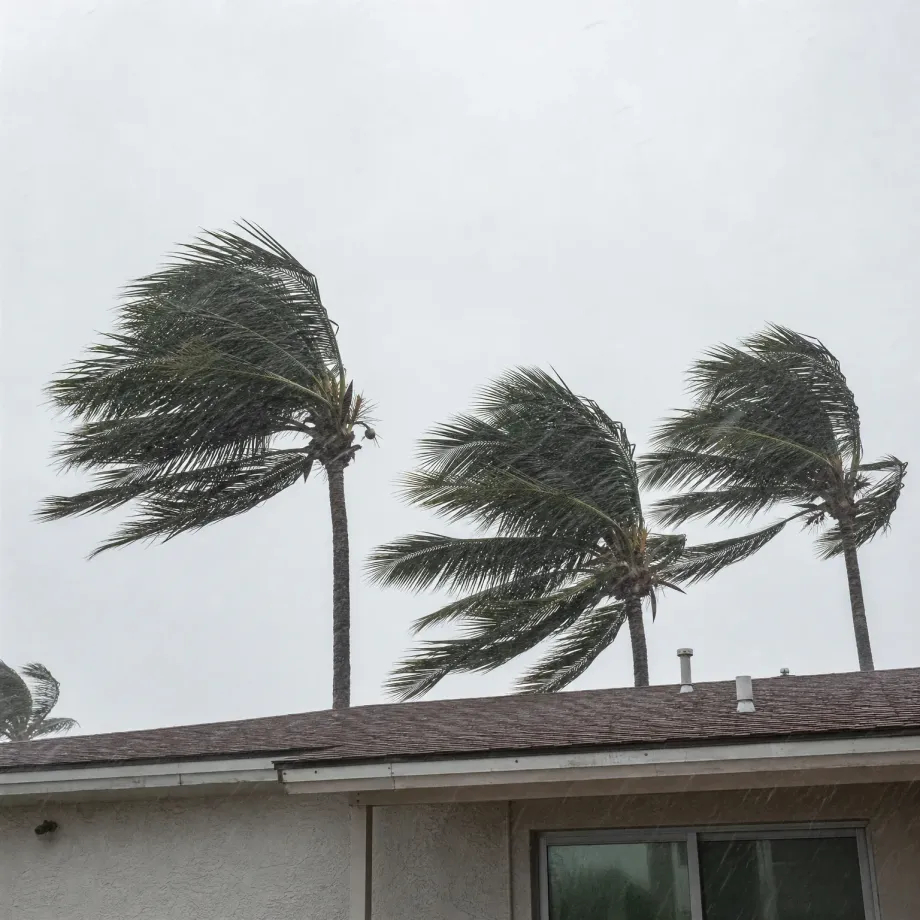
A contractor quoting furnace repair in Polk County is working out what actually broke the equipment and why. 94 severe weather events were recorded in Polk County, Florida between 2015 and 2024. That puts this county near the middle of the national range, so severe weather is a real but ordinary part of operating here. A furnace that quits mid-winter is more likely carrying years of unserviced filters, worn igniter contacts, or a heat exchanger that was overdue than one beaten down by an unusually hard weather record. The contractor checks those components first.
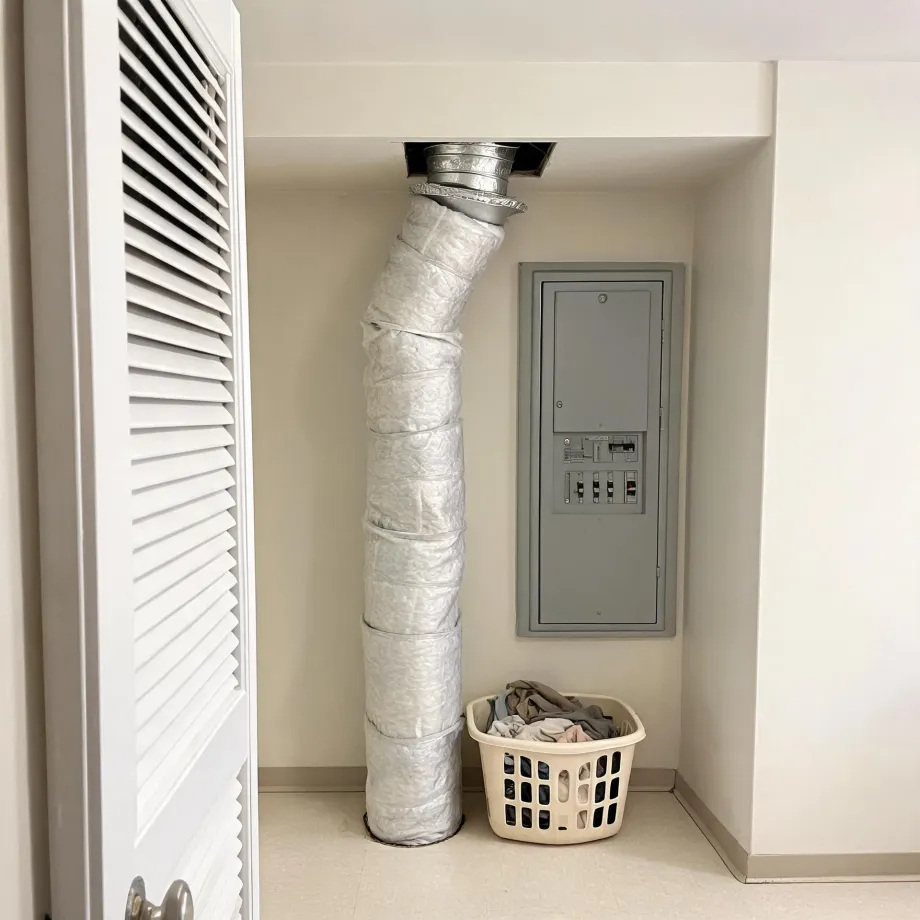
Furnaces in houses built this long ago have run through a lot of Florida winters, and what a contractor finds once the cabinet is open reflects that history directly. Half the homes in Polk County, Florida were built in 1992 or earlier (2020-2024 ACS 5-year). A heat exchanger in a system of that era shows stress in specific places: the folded metal around the burner ports, the secondary cells, the seams. Ignition components in older furnaces also fail in patterns a contractor who works this stock recognizes on sight. The harder problem is parts availability. Manufacturers stop producing components for older platforms, and a repair that looks straightforward can stall on sourcing.
The Parts of a Furnace a Contractor Checks First
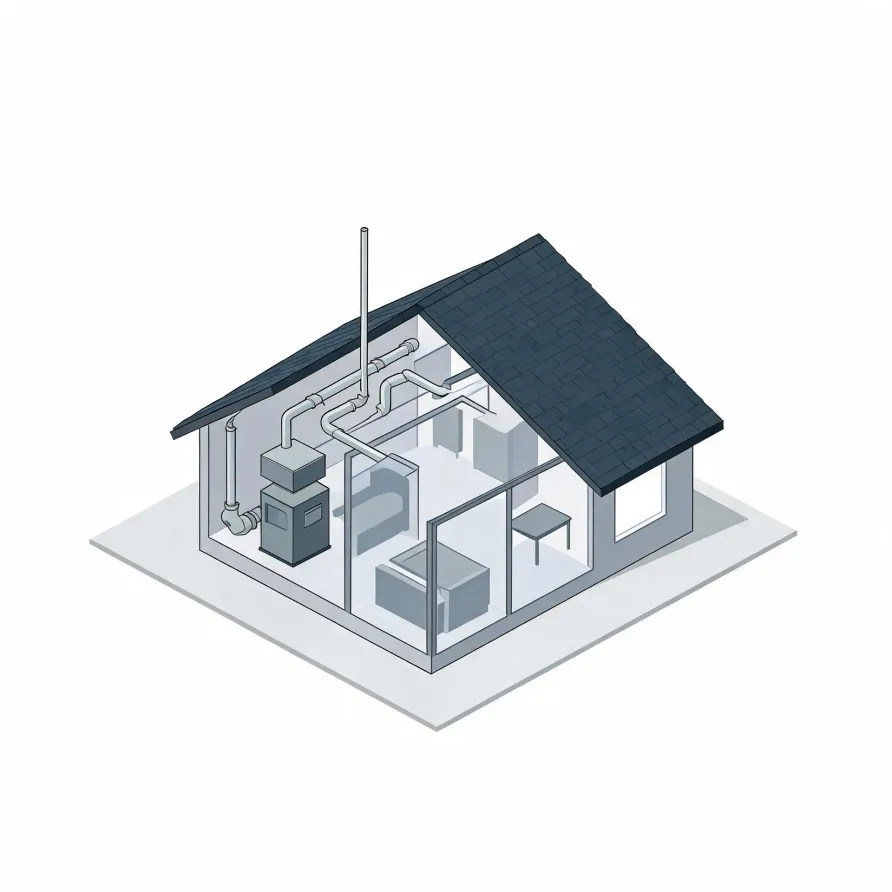
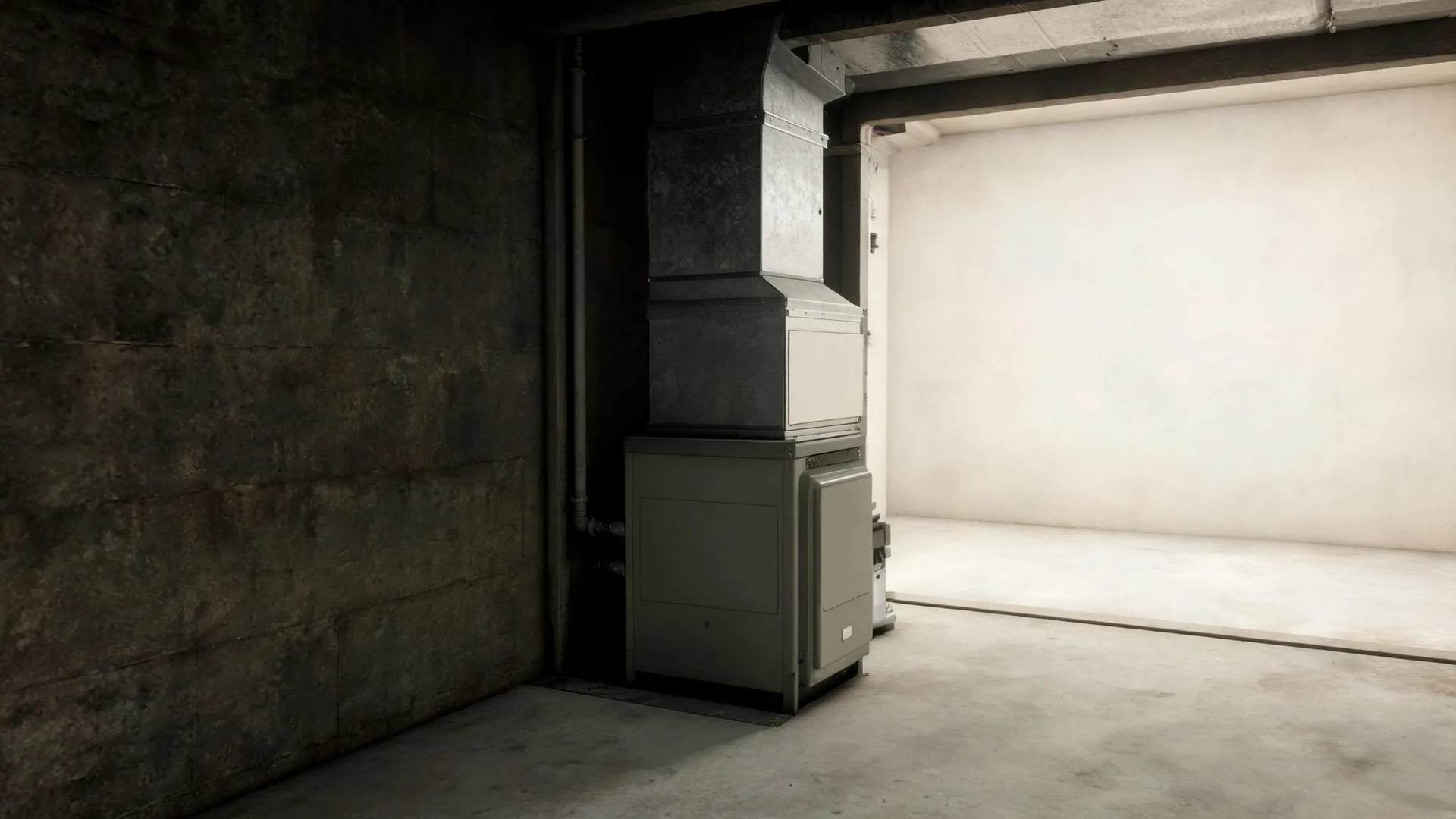
The heat exchanger sits inside the furnace cabinet and is where a contractor looks early in any repair call. Cracks or buildup there affect the whole system. The burner assembly, also inside the cabinet, is what ignites the fuel, and a dirty or failing burner shows up quickly as inconsistent heat or a unit that won't stay lit.
The blower motor and its fan wheel pull air through the cabinet and push it into the supply side of the house. The inducer motor, mounted at the top of the heat exchanger section, handles combustion airflow, and failures there often trigger safety shutoffs. The control board ties these parts together and is where a contractor reads fault codes when a symptom is hard to trace by sight.
The drawing shows a general furnace layout, and a licensed contractor determines which components apply to the specific equipment and setup in your home.
Get matched in Polk CountyPolk County, by the numbers
94 severe weather events were recorded in Polk County, Florida between 2015 and 2024.
NOAA National Centers for Environmental Information, Storm Events Database, bulk CSV export, events 2015-01-01 through 2024-12-31.Half the homes in Polk County, Florida were built in 1992 or earlier (2020-2024 ACS 5-year).
U.S. Census Bureau, 2020-2024 American Community Survey 5-Year EstimatesPolk County, Florida holds 340,748 housing units (2020-2024 ACS 5-year).
U.S. Census Bureau, 2020-2024 American Community Survey 5-Year EstimatesOwners occupy 70.5% of the occupied homes in Polk County, Florida (2020-2024 ACS 5-year).
U.S. Census Bureau, 2020-2024 American Community Survey 5-Year EstimatesCodes & Standards Covering Furnace Repair in Polk County, Florida5 sourced rules and standards
What happens when a contractor comes out
Non-weatherized gas furnaces manufactured on or after November 19, 2015 must reach 80.0 percent AFUE.
Non-weatherized oil-fired furnaces manufactured on or after November 19, 2015 must reach 83.0 percent AFUE.
Mobile home gas furnaces manufactured on or after November 19, 2015 must reach 80.0 percent AFUE.
Non-weatherized gas furnaces manufactured on or after December 18, 2028 must reach 95.0 percent AFUE, up from the 80.0 percent minimum that applies to units manufactured before that date.
Licensing and Legal Requirements in Polk County, Florida
Florida requires a person to be certified or registered in order to engage in the business of contracting in the state.
Severe Weather Events in Polk County
Polk County weather puts real strain on furnace and cooling equipment, and that strain shows up in repair frequency. Knowing the local weather record is part of understanding what the equipment here is actually up against.
94 severe weather events, 2015–2024. Source: NOAA National Centers for Environmental Information, Storm Events Database.