

Burning clean
A furnace running right has a steady blue flame, not yellow or orange. The flue pipe carries exhaust straight outside. No soot collects around the cabinet, and the gas and condensate lines stay where they were installed, undisturbed.
Send the request today and stop worrying about who to call.
Hand it offA gas furnace that's cracked its heat exchanger or blocked at the vent can leak carbon monoxide, and the warning signs are a yellow or flickering burner flame instead of steady blue, soot around the furnace cabinet, a sour or stale smell when it runs, and moisture streaking the nearest windows. Headaches, nausea or feeling drained only when you're home and better when you step outside are signs too, since carbon monoxide is odorless on its own and builds up in closed rooms. Most houses in Florida heat with electric systems, which don't burn gas and can't produce carbon monoxide, but if your furnace does run on gas, a working CO detector near it matters, and any of these signs means it needs to be shut off and looked at by someone licensed before you run it again.




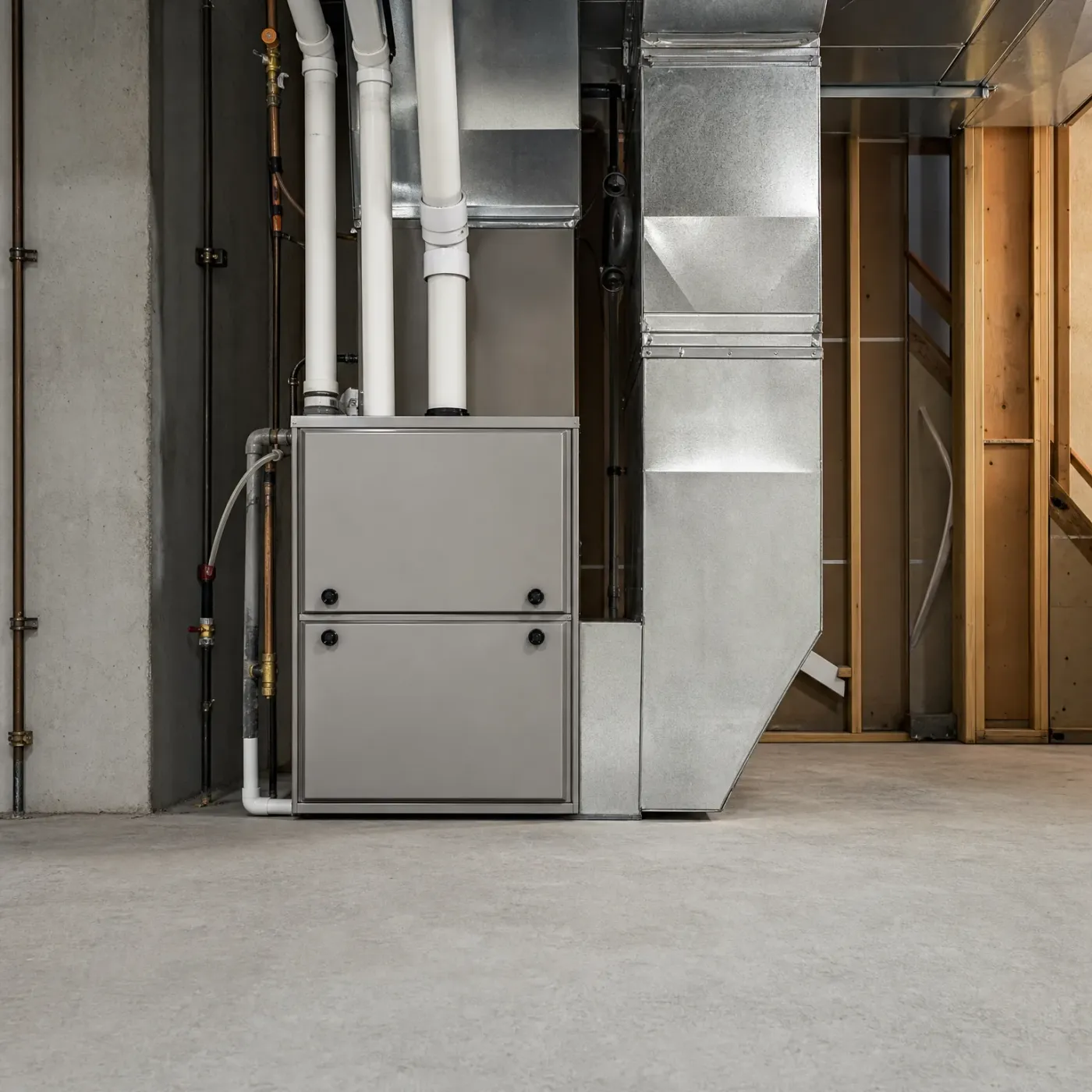
A furnace running right has a steady blue flame, not yellow or orange. The flue pipe carries exhaust straight outside. No soot collects around the cabinet, and the gas and condensate lines stay where they were installed, undisturbed.
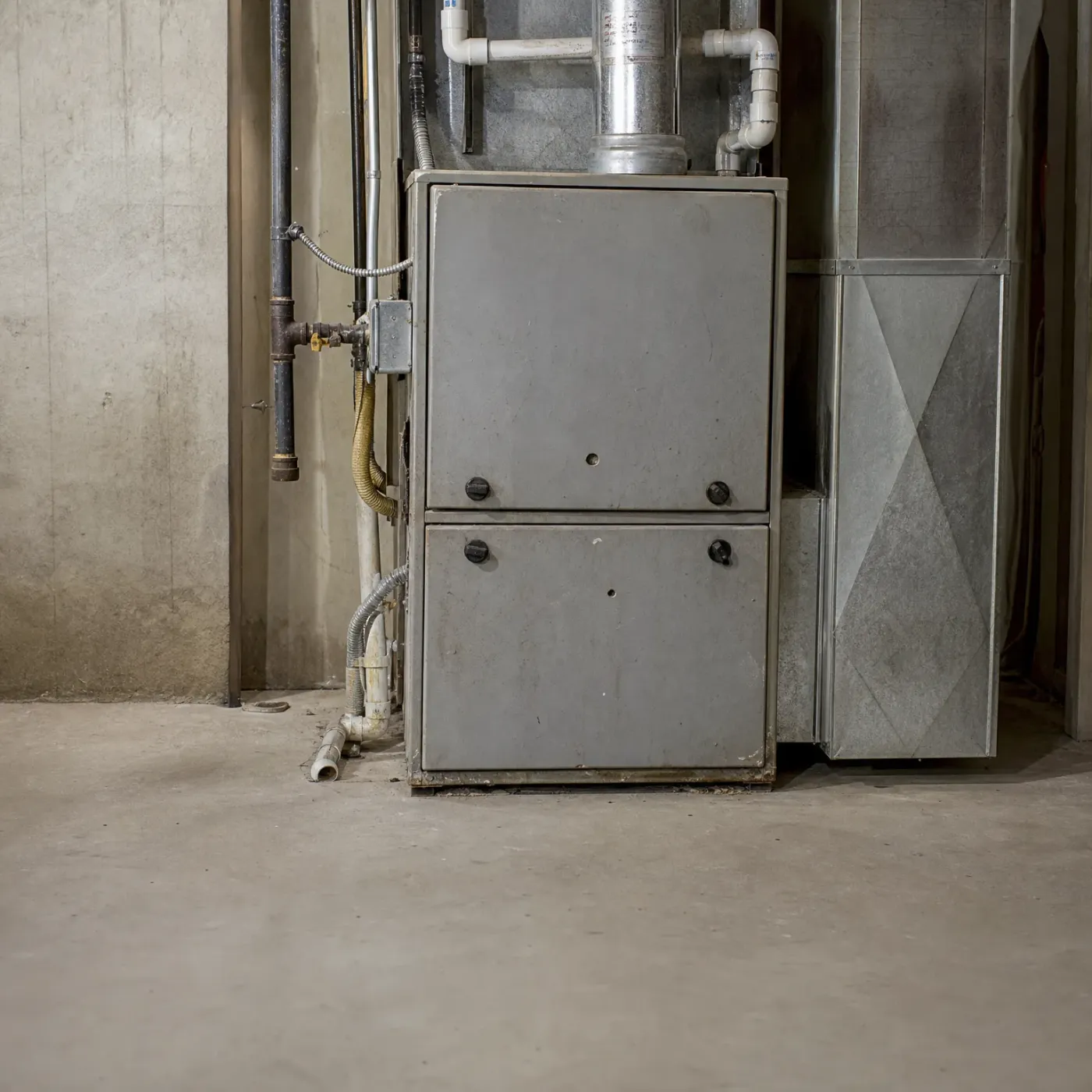
Quarter-turn panels mean someone can get inside fast, and that matters when a furnace this size shares a wall with gas lines and flex conduit. A furnace that's cracked its heat exchanger needs a licensed hand on it, not a guess.
If you've got a gas furnace, walk over to it while it's running. Look at the flame through the sight window. It should be steady and blue. If it's yellow, orange, or jumping around, that's worth paying attention to. Check the floor and walls near the cabinet for soot, a black or brown residue that wasn't there before. Smell the air around the unit. A sour or stale odor when the burner is on isn't normal. Notice how you feel in the room where the furnace sits, especially with the windows closed. Headaches or feeling unusually tired while it runs, and better once you're outside, is a pattern worth taking seriously, not something to wait out.
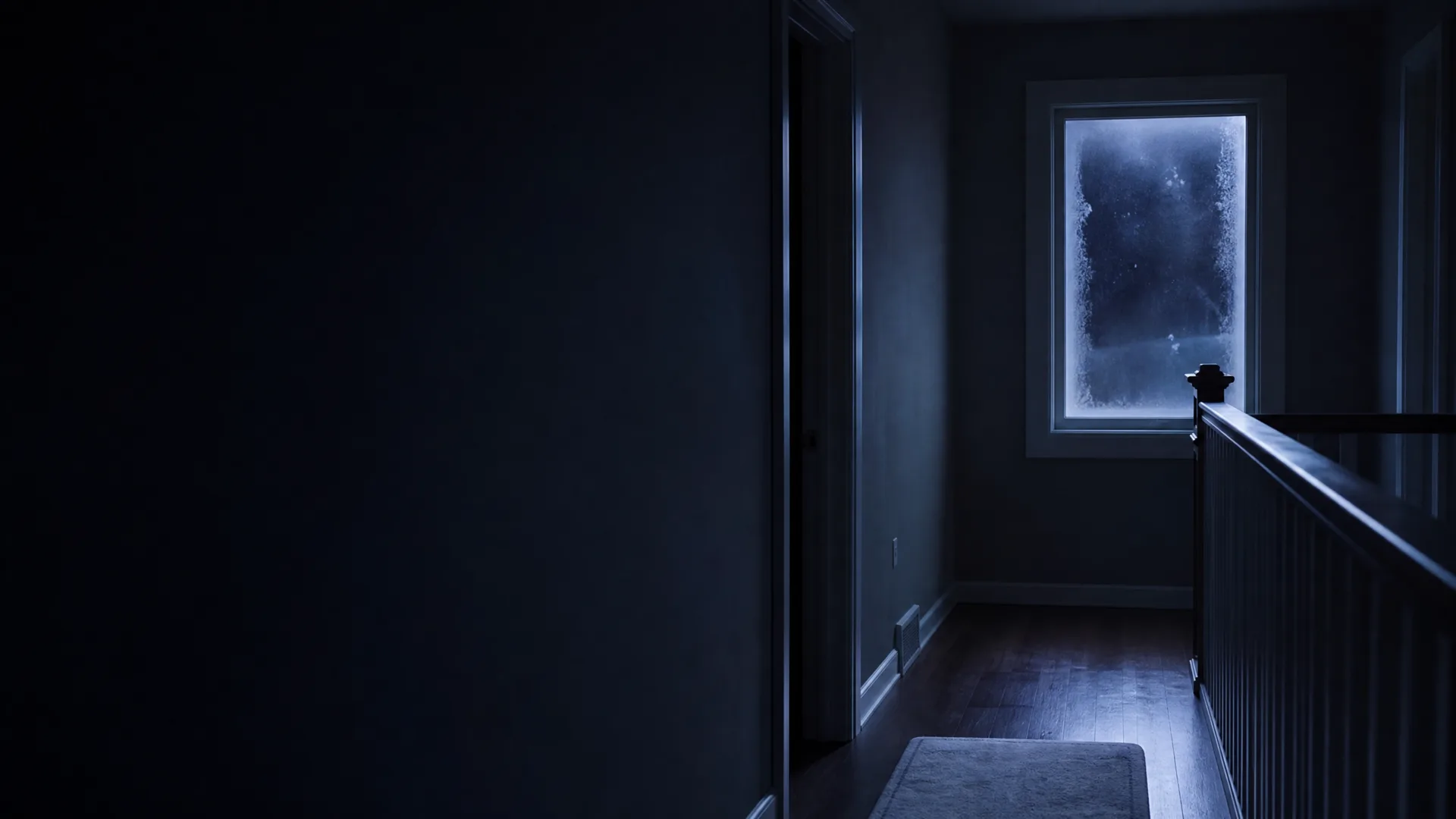
The house is quiet. 2 a.m., and you're awake for no reason you can name. Upstairs, the hallway is cold in a way it shouldn't be. You stand at the vent and feel nothing coming through it. Outside the window at the end of the hall, frost has crept into the corners of the glass. The light is just the blue of the streetlamp through the frost. You notice the quiet most, no hum, no air moving, just the furnace somewhere below not doing its job. A gas furnace with a cracked heat exchanger can fail like this, silently, before anyone smells a thing.
If your furnace is the gas kind and you've seen the flame change color, caught that stale smell, or noticed soot where there shouldn't be any, that's not something to sit on until the weekend. A furnace that's leaking carbon monoxide doesn't announce itself any louder than that, and you've already spotted the signs most people miss. A local contractor who services furnaces in Florida all winter knows what a cracked heat exchanger or a blocked flue usually looks like in a house like yours, because gas furnaces here aren't the majority setup and the ones that run need someone who still knows them well. Send the request and it goes to one contractor, not a handful competing for your callback. From there, it's off your plate. You don't have to figure out who's available or chase down a second opinion. You noticed something was wrong. Let the next part be someone else's job.
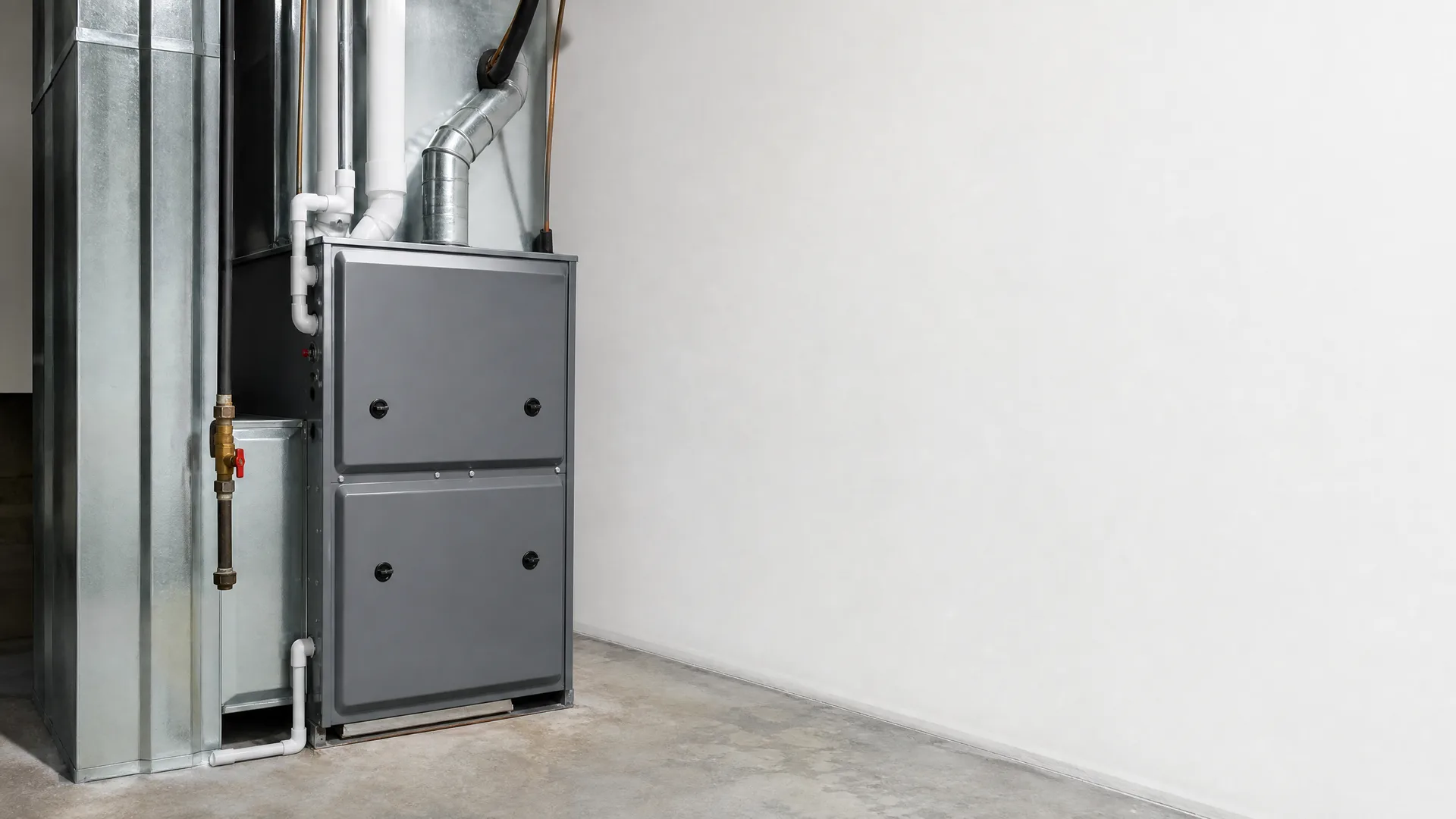
The heat exchanger is the metal wall that keeps the flame and exhaust separate from the air blowing into your rooms. When it cracks, combustion gas can mix into that airstream instead of going out the flue. You won't see the crack without the cabinet open. A furnace can run and heat the house normally right up until that happens, which is why the flame color and the smell matter more than whether the rooms feel warm.
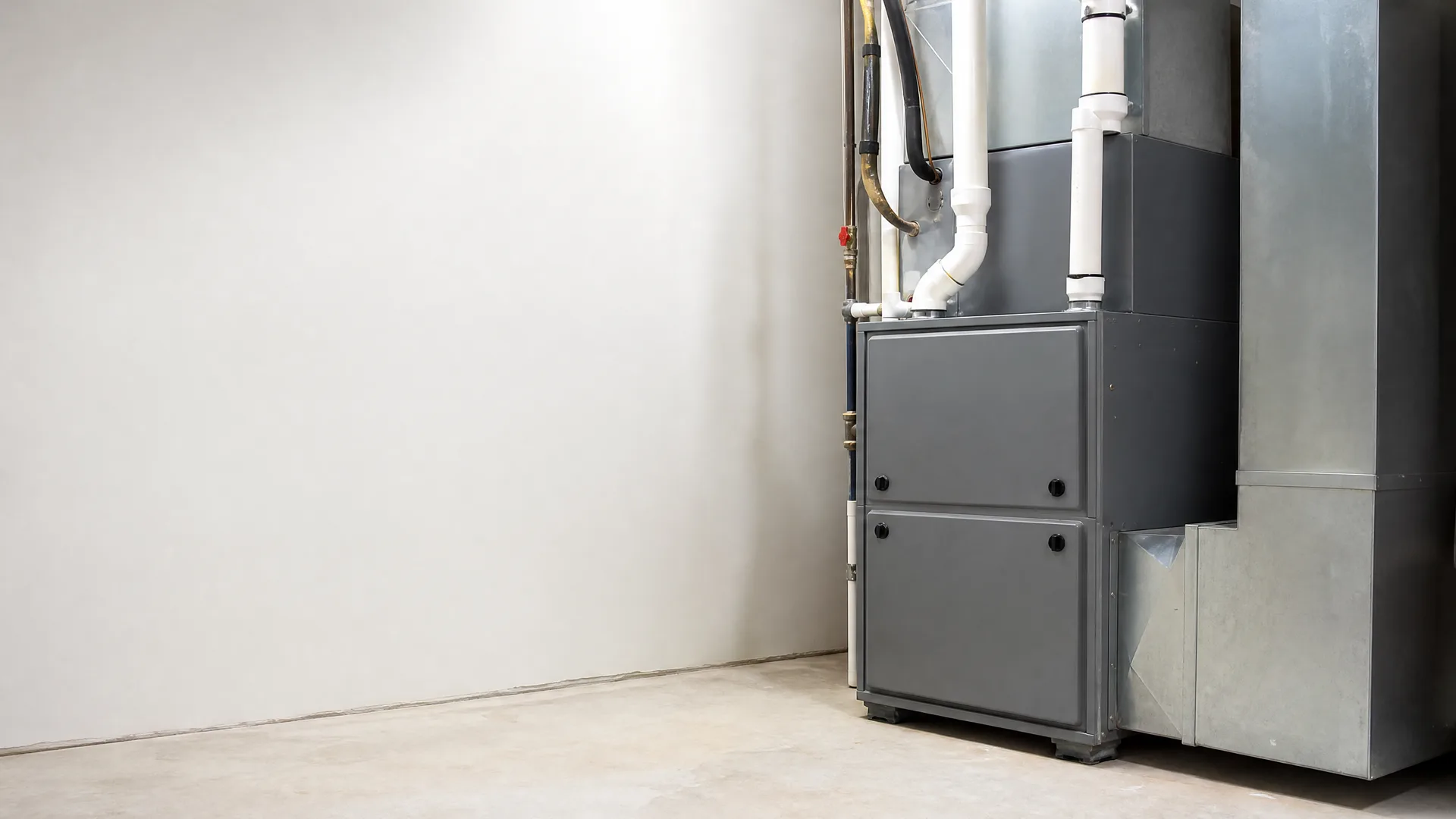
The flue pipe is the metal pipe running from the furnace to the outside of the house, and its only job is carrying exhaust out. If it's blocked by a bird nest, crushed, or disconnected at a joint, the gas has nowhere to go but back into the furnace room. A flue that's rusted through or pulling away from the furnace is something a technician checks on every service call, because the connection can loosen over years without any other sign showing.
Winter nights here average 52°F, so a gas furnace isn't running flat out the way one up north would. It still cycles on enough to matter, and a cracked heat exchanger or blocked vent leaks the same carbon monoxide whether it's 52 degrees outside or 20.
NOAA nClimDiv 1991-2020 county normals weighted by homes
A gas furnace tells you what it's doing if you look. Blue and steady means it's burning right and venting outside where it should. Yellow, flickering, soot on the cabinet, a sour smell when it kicks on, any one of those is the furnace telling you something's off at the heat exchanger or the vent, and that's not something to watch for a few more days. If you're one of the many Florida homes heating with electricity, none of this is about your system at all. There's no flame, no flue, nothing to leak. That's worth knowing so you're not checking for a problem your furnace can't have.
For the gas furnaces where these signs do show up, the fix isn't something to work out on your own. It takes someone who can get inside the cabinet, check the heat exchanger, and look at the flue connections, and that's a licensed job. A contractor who works on furnaces in Florida every winter has a sense of what tends to go first here, where the cracks usually start, which vent runs tend to get blocked. That's the kind of knowledge that comes from doing it on this equipment, in homes like yours, season after season.
Send one request and it goes to one contractor, licensed and local, not a batch of companies competing for the job. You've already done the hard part, which is noticing. What's left is getting it looked at by someone qualified to say what's actually wrong.
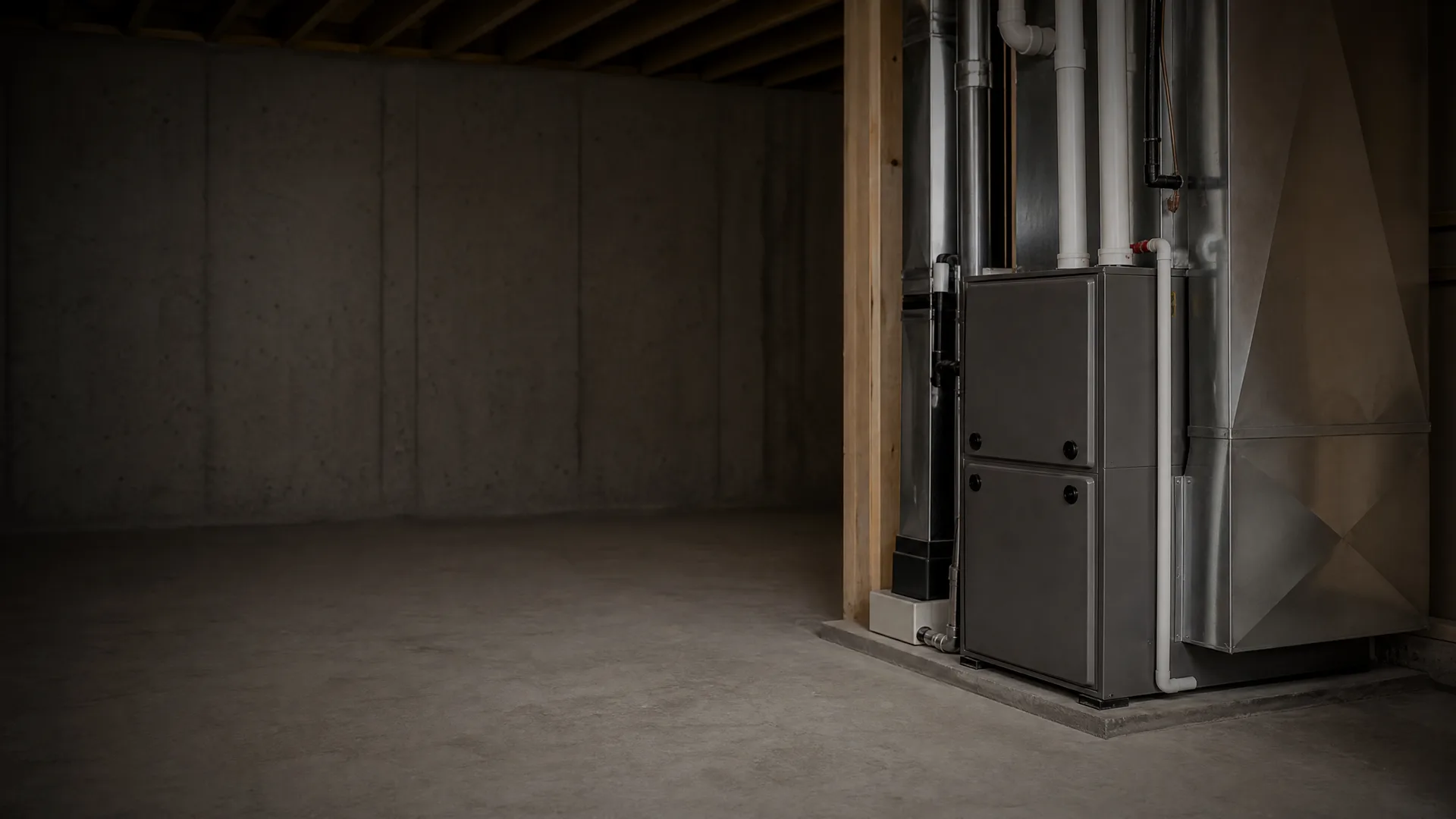
The pro who reaches out is licensed in Florida.