
Do you need a furnace humidifier in Florida

Skip collecting and comparing quotes for the new furnace.

Start one form

Do I need a furnace humidifier in Florida

Your furnace comes on for a handful of chilly nights and the rest of the year it sits idle. You keep hearing that humidifiers belong with furnaces, and you're wondering if yours is missing something it needs, or if that advice was written for a different kind of winter than the one you have.

No, Florida homes don't need a furnace humidifier

A furnace humidifier earns its keep in places where the heat runs for months straight and dries the air out room by room. Your furnace doesn't run that way here. It clicks on for cool stretches and shuts off once the house warms up, so there isn't the long, steady heating that pulls moisture out of the air in the first place. The bigger issue in Florida homes is the opposite problem, too much moisture, not too little, and that's handled by your air conditioner, not anything added to the furnace. Installing a humidifier here would be solving for dry air that your climate doesn't produce.

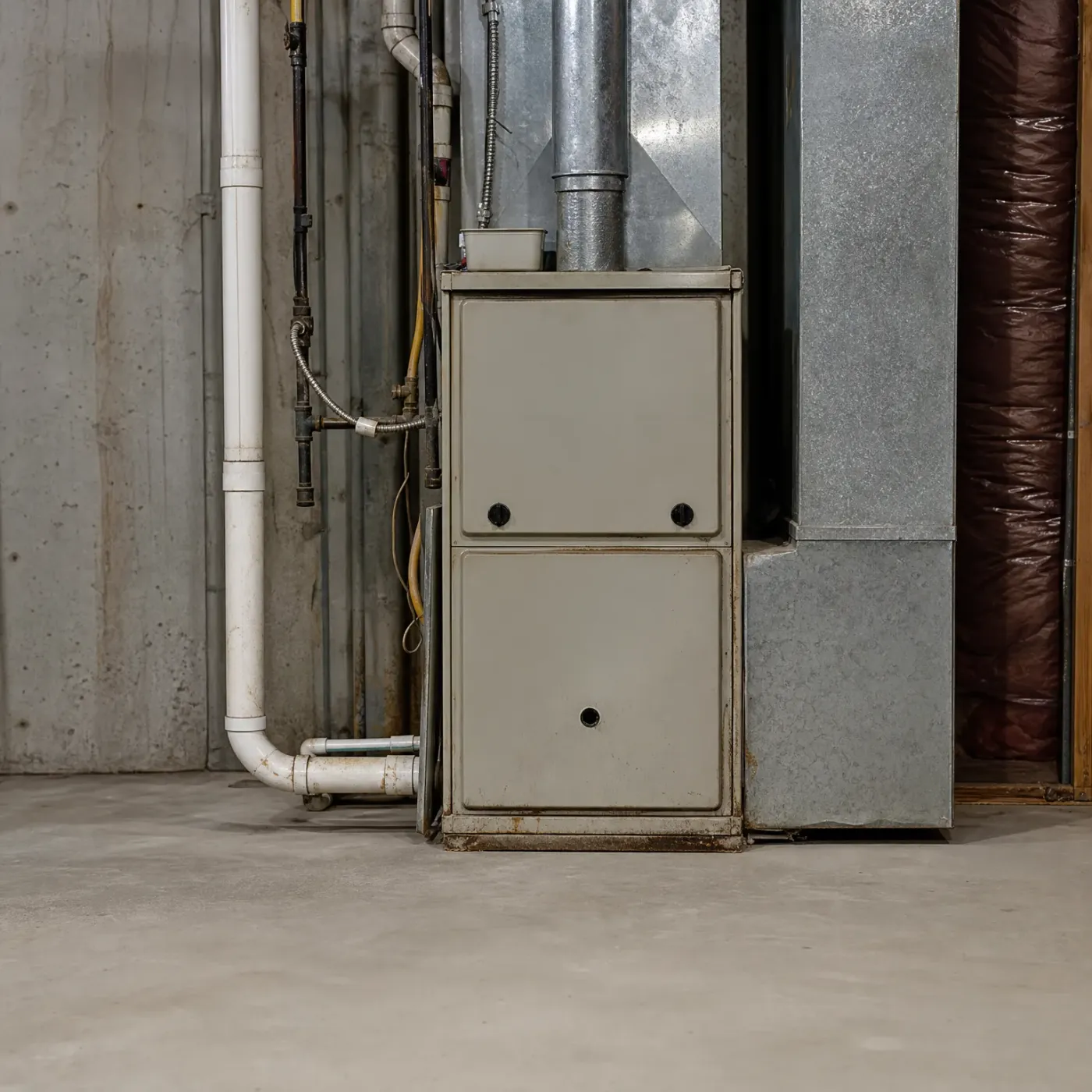
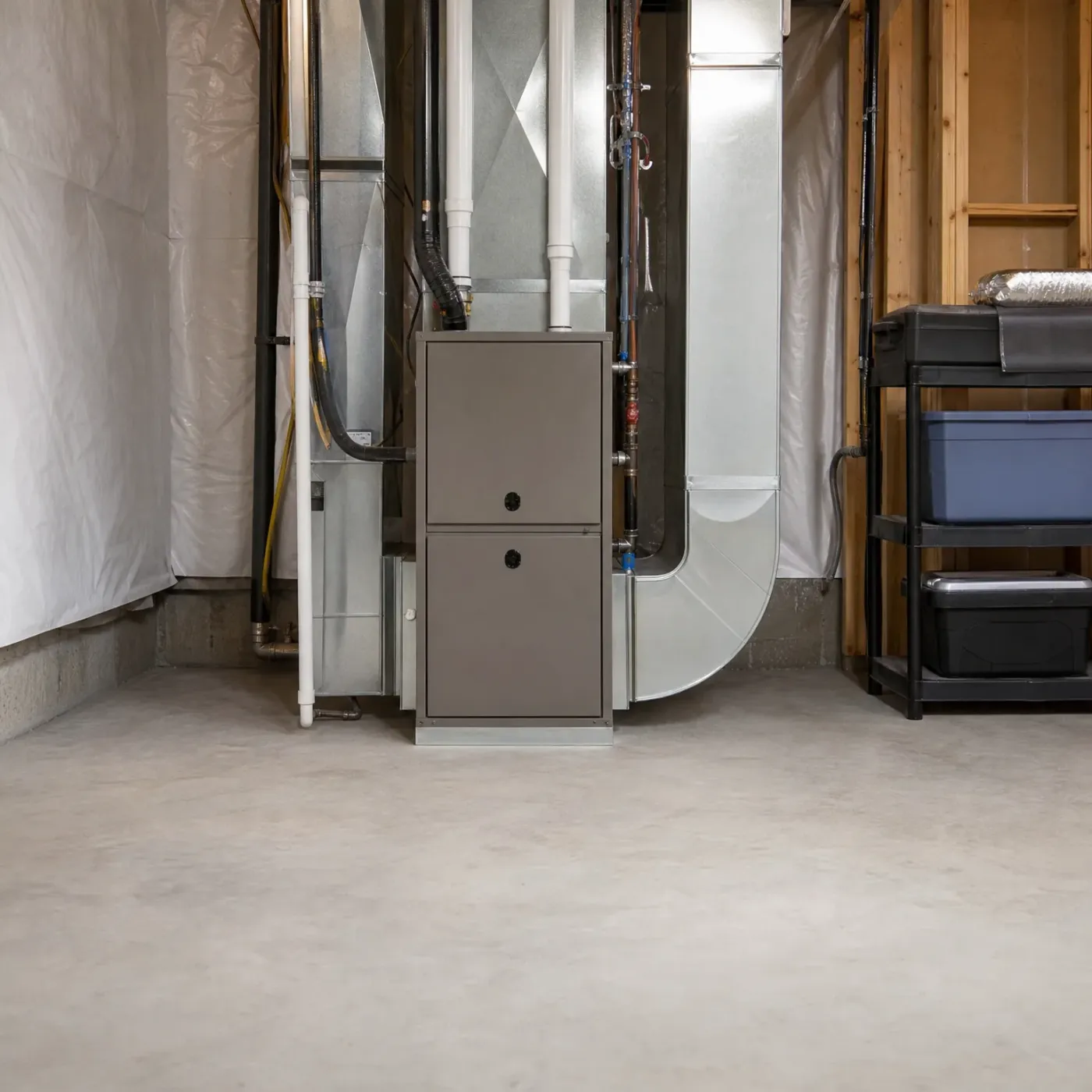
A basement utility area with a gray furnace, sheet-metal ductwork, pipes, plastic-covered walls, a concrete floor, and a black shelving unit holding storage bins.

A furnace that only runs when it's needed

This is what a furnace looks like most of the year here, quiet, clean, connected to ductwork that spends far more of its time moving cooled air than heated air. No humidifier needed on the cabinet because the house isn't fighting dry air for months on end.
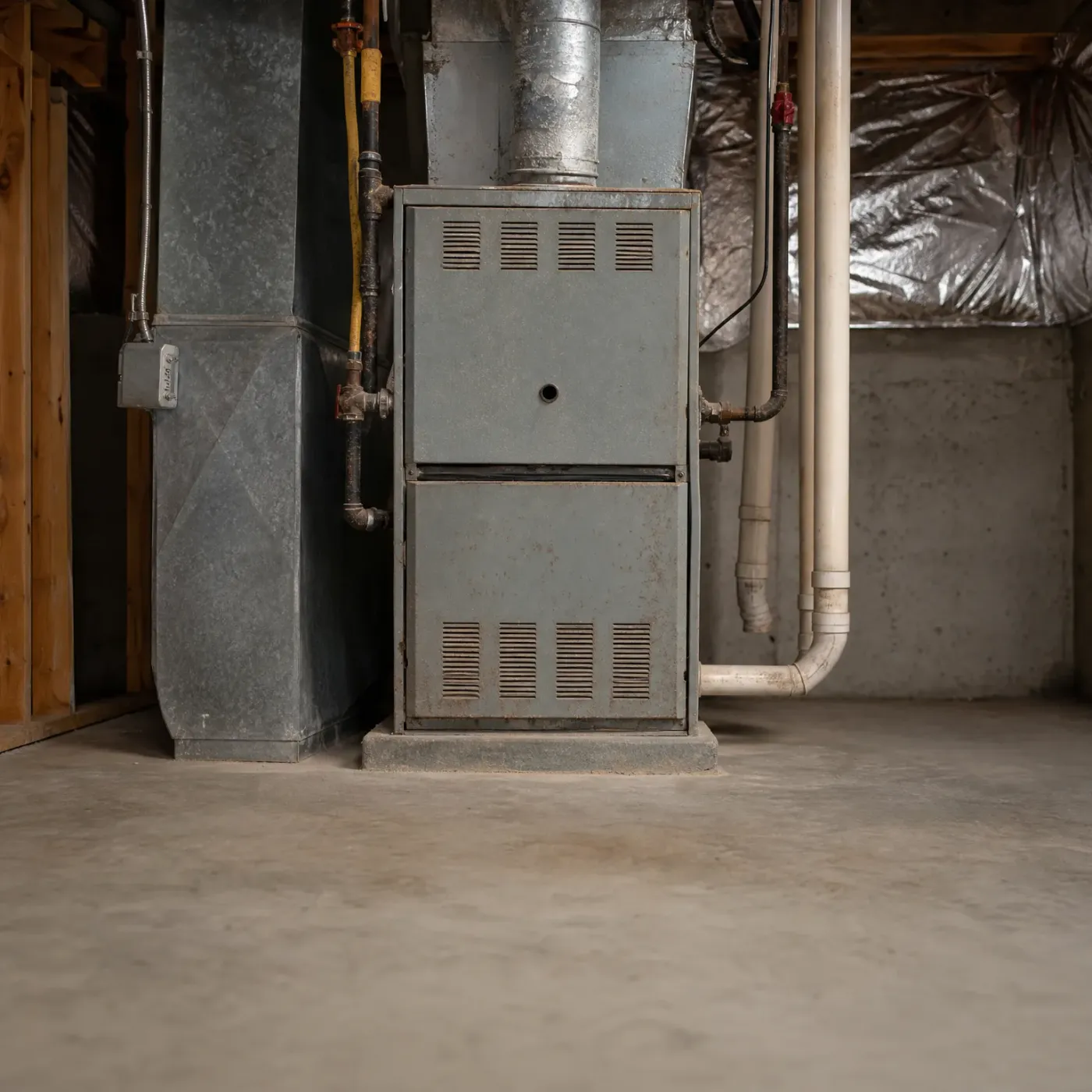
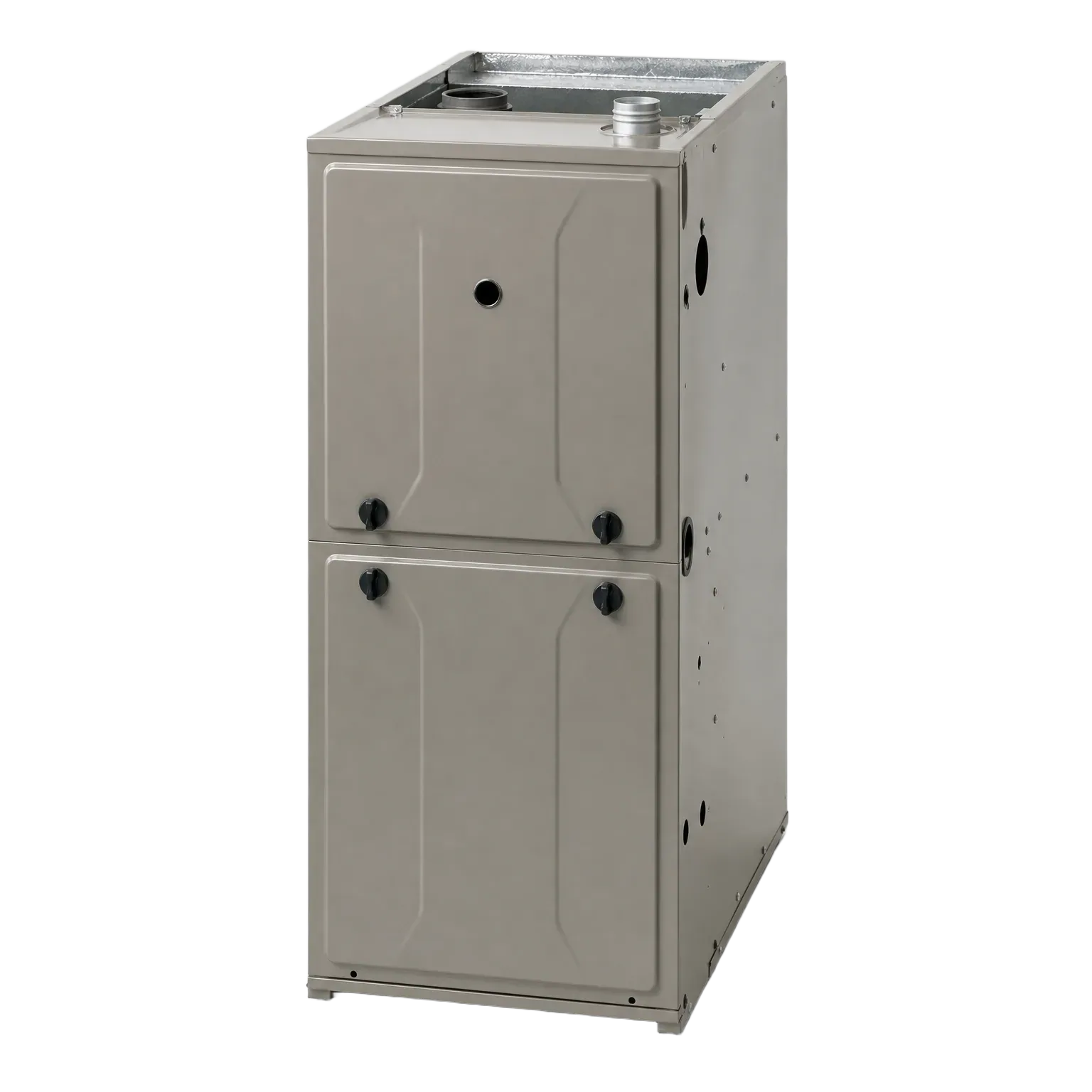
A gray metal furnace with louvered vent panels stands on a concrete basement floor beside galvanized ductwork, gas and plastic pipes, and foil-faced insulation along the ceiling and wall.

What adding one unused part looks like later

A furnace that runs a handful of nights a year still needs to be checked before anyone bolts a humidifier to it. Rust on a cabinet like this tells you a part sitting idle most of the year isn't guaranteed to be in good shape when it finally gets called on.

Skip It or Install It

Skip the humidifier

  • Your furnace runs on the handful of nights a year when it actually gets cold, not for months straight, so dry indoor air never has time to build up.
  • Florida summers push humidity into the house through every door opening and air leak, which a furnace humidifier does nothing to address either way.
  • A humidifier installed on equipment that barely runs sits unused for most of the year, which gives it more chance to grow mold or scale in the reservoir than to help anyone.
  • Electric furnaces don't dry a house the way a long winter heating cycle does up north, so the usual reason people add a humidifier doesn't apply here.
  • If nobody in the house has mentioned dry skin, static shocks, or cracking woodwork in winter, there's no problem for a humidifier to solve.

Have one installed anyway

  • Some households are more sensitive to dry air than others, and if anyone in yours has noticed dry sinuses or irritated eyes on the coldest nights, a humidifier can address that directly.
  • A whole-house humidifier tied into your ductwork handles this automatically, without pitchers of water or a portable unit to refill in a bedroom.
  • If you keep the house sealed up tight for air conditioning most of the year, the short stretches of furnace heat can still dry the air out faster than you'd expect in those rooms.
  • A local contractor who services furnaces in your area year-round can tell you quickly whether your specific setup and ductwork can even take a humidifier add-on.
  • Getting one quote from someone who already knows Florida furnace setups saves you from explaining your situation to multiple companies just to find out if it's worth doing.
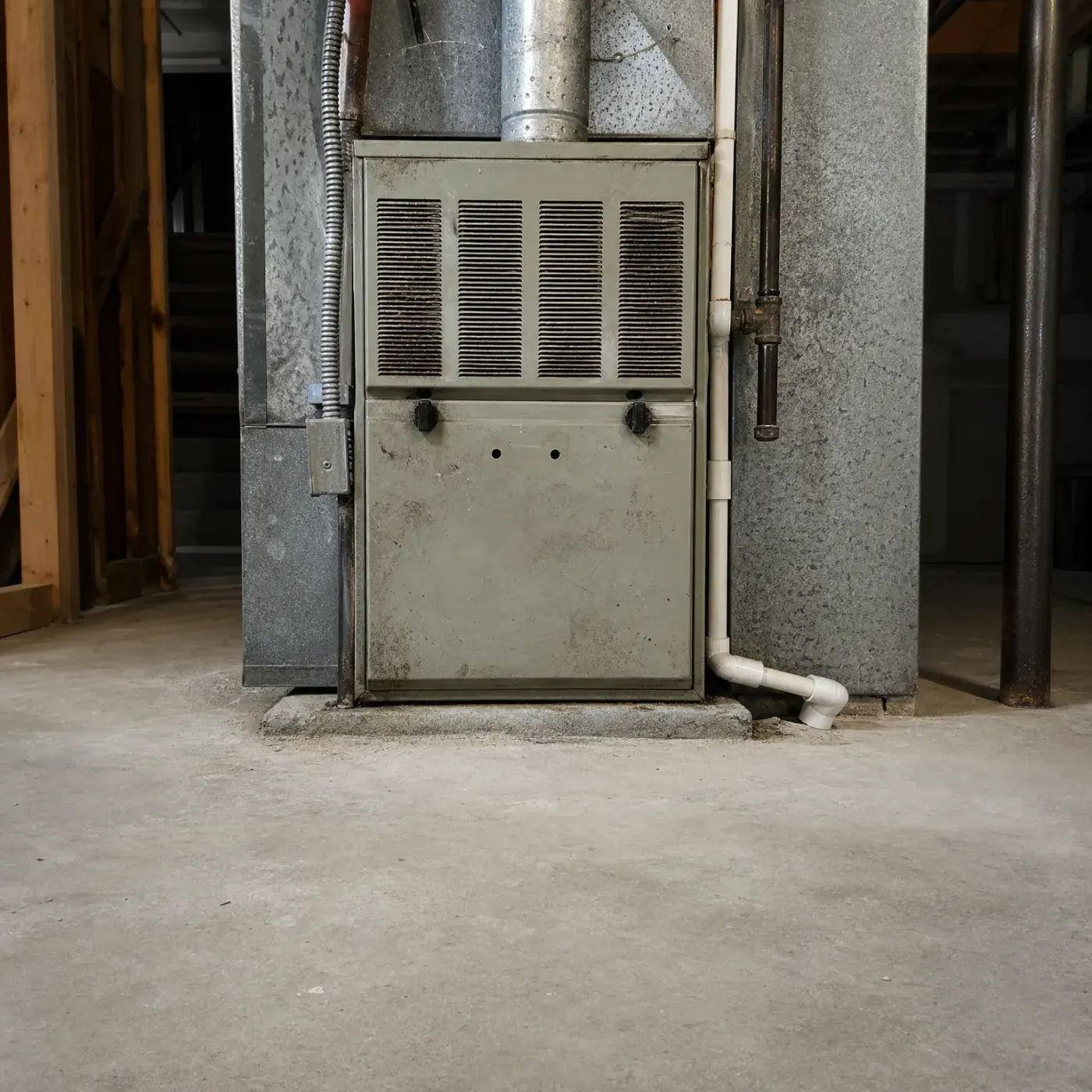
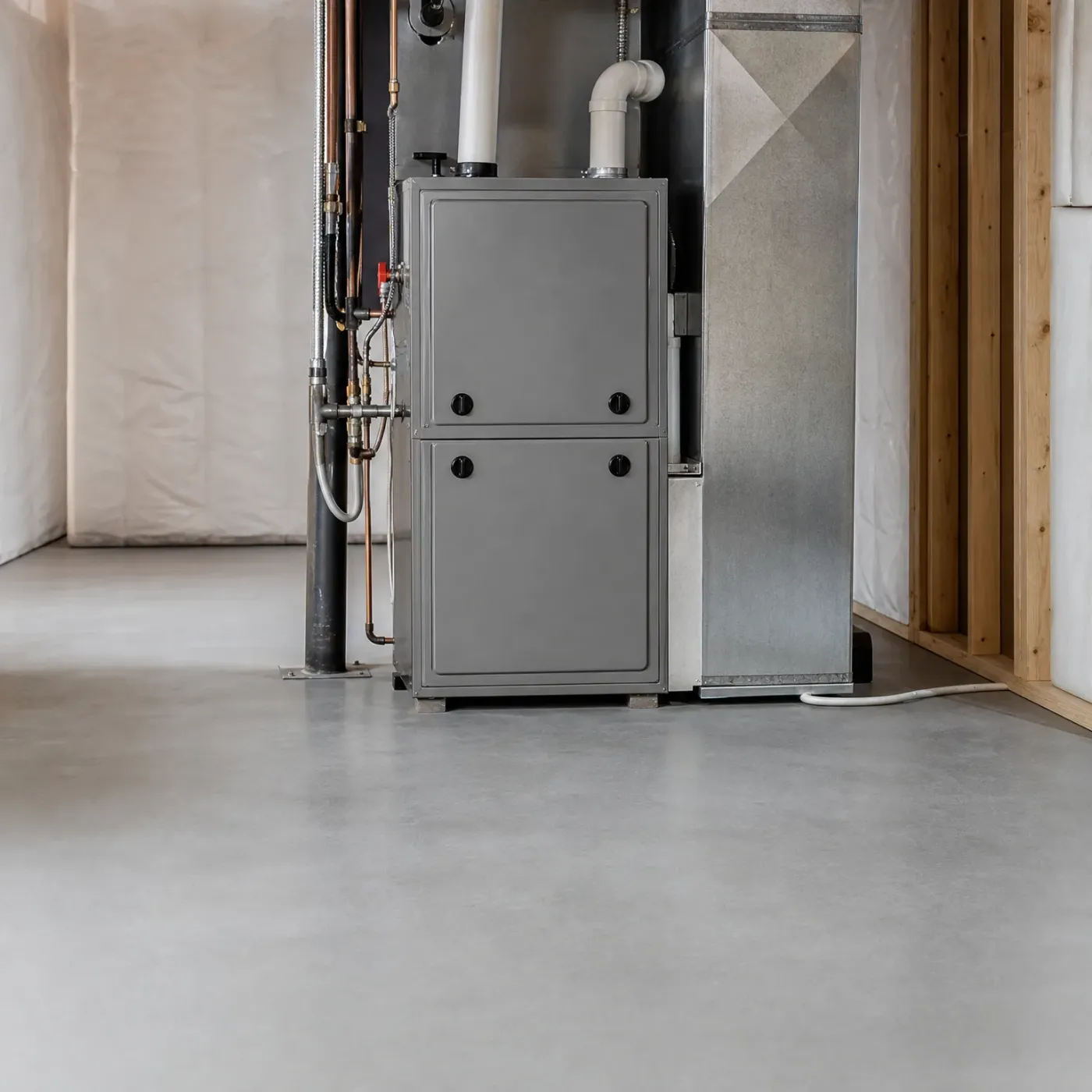
A gray furnace with white PVC vent pipes stands beside sheet-metal ductwork in a basement with a smooth concrete floor, exposed wood framing, and plastic sheeting on the walls.

A furnace that's holding up

This is a furnace that gets looked at. Clean cabinet, tight connections, no rust creeping up the sheet metal. Running only a handful of nights a year isn't why a furnace fails here. Skipping the yearly check before the first cold snap is.

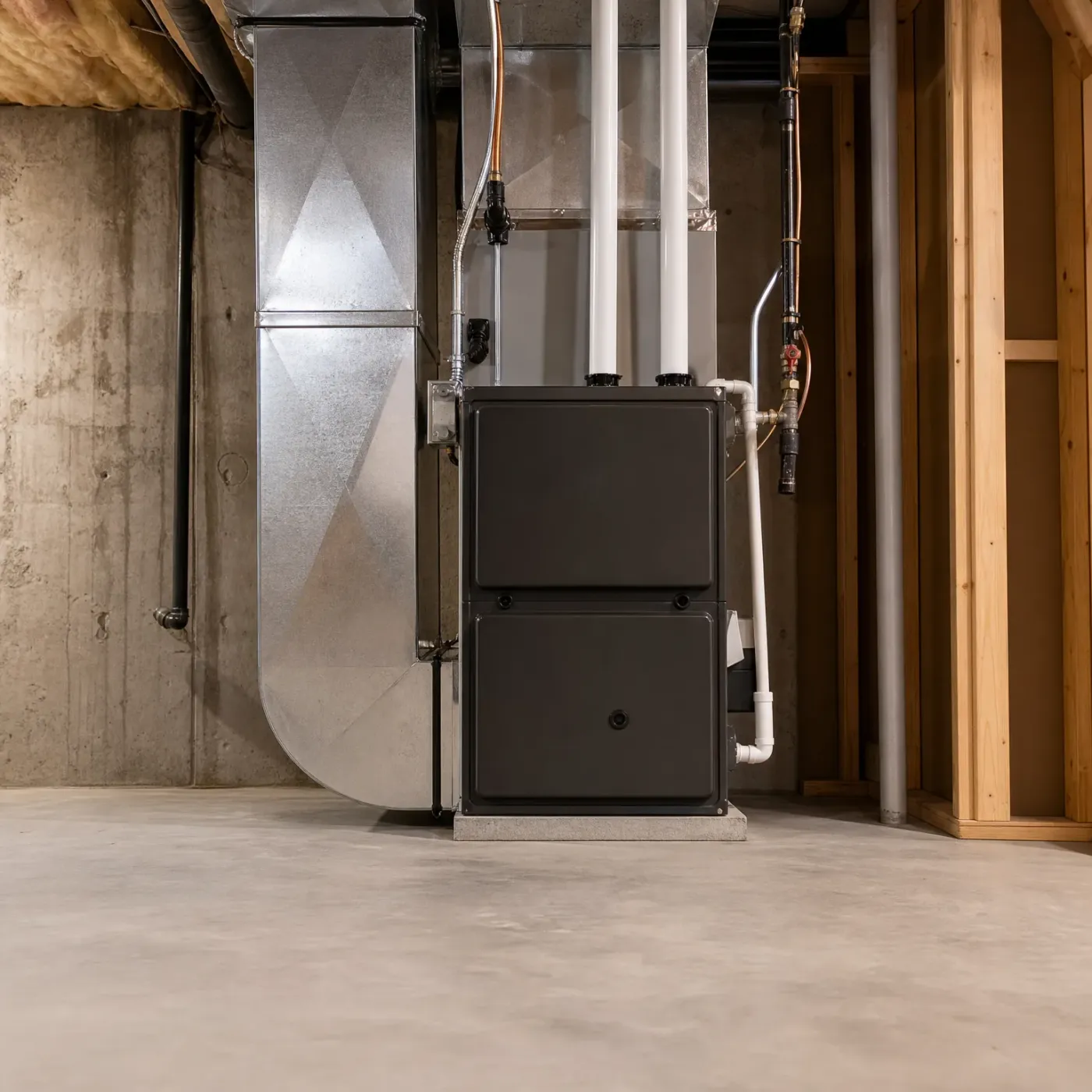
A beige furnace with two access panels stands against a concrete basement wall, with galvanized sheet-metal ductwork, a white PVC pipe, flexible conduit and insulated ducting around it.

A furnace that's been ignored

Rust on the cabinet, gas piping that's seen better days, a flue pipe doing its job while everything around it ages. A furnace that only runs a few nights a year still needs that one check each fall, and this is what happens when it doesn't get it.

Why does your house feel damp even with the furnace off

Most of the year, the furnace in your house isn't running, so it isn't drying anything out. The dampness you notice, the muggy feel in the hallway, moisture on a cold glass left on the counter, a musty smell in a closet, comes from outside air working its way in through doors and small gaps in the house, not from anything the furnace is doing. Adding a humidifier to the furnace wouldn't change any of that, since the unit sits idle through the months when the air feels heaviest. If a room stays damp long enough, you may notice it on a windowsill or in a closet that doesn't get much airflow. That's worth a look on its own, separate from anything the furnace does.

A smiling woman with dark shoulder-length hair in a cream V-neck sweater sits at a marble counter with a glass of red wine, with a kitchen and softly lit living room behind her.
A woman in a dark green sweater laughs while seated at a marble kitchen island with a glass of red wine, with open shelving, cabinets and a living room visible behind her.
A woman with long dark hair in a cream knit sweater laughs while looking off to the side, seated at a counter with a glass of red wine, in a dimly lit living room with a sofa, lamp, framed pictures and houseplant behind her.
A smiling woman with long dark hair in a beige sweater sits at a marble kitchen counter with a glass of red wine, with a dimly lit living room behind her.

Skip calling around

Your request stays with one local pro.

No charge to send it. You decide if you hire them.

Why dry air needs a furnace running

A furnace humidifier works by putting moisture into air that's already being heated and moved through the ducts. It depends on long, steady furnace runtime to do anything noticeable, which is why they're standard in places where the furnace runs daily for months and dries the house out room by room. Your furnace doesn't run that way. On the handful of cold nights it comes on, it's off again before dry air becomes a problem worth correcting. There's no sustained airflow for a humidifier to add moisture to, so the part would sit on the furnace doing nothing most nights it could.

What your electric furnace is built for

Furnaces here mostly run on electricity, heating a coil or set of elements rather than burning gas, and that distinction matters for this question too. Gas furnaces draw combustion air and vent exhaust, which pulls in dry outside air and dries out the house faster, part of why humidifiers got paired with them up north. An electric furnace doesn't draw or vent combustion air at all. It just heats what's already in the ducts. Less drying by design, on top of running only a handful of nights a year. Two separate reasons the humidity problem a furnace humidifier solves elsewhere doesn't show up here.

A smiling bearded man in a navy crewneck sweater sits at a dinner table with a glass of red wine, plates and glasses in the foreground, in a dimly lit room with a lamp and framed picture behind him.
A woman in a dark gray sweater reclines on a light sofa with eyes closed and a slight smile, under a textured gray blanket with an open book resting on her lap, with a lit table lamp and plant in the background.

If your house ever does feel too dry, a humidifier isn't the fix for it here. The furnace isn't running long enough to pull moisture out of the air in the first place.

What's actually drying out a room is usually the air conditioner, running for months, and that's a separate piece of equipment with its own fix. Adding a furnace humidifier won't touch that.

A gas furnace with a louvered upper panel stands on a concrete pad in a basement, flanked by sheet-metal ductwork, white PVC and metal pipes, and insulated columns.
Before you get your furnace installation
A dark high-efficiency furnace on a concrete pad in a basement, connected to galvanized ductwork, white PVC vent pipes, and copper and black gas piping, with concrete walls and wood framing nearby.
After you get your furnace installation

Winter nights average 52°F statewide

52°F isn't cold enough to make dry air a problem. That's the average overnight low here in the dead of winter, a jacket-at-most temperature, not a reason for your furnace to run long enough to strip moisture from the air. A humidifier would have almost nothing to do.

NOAA nClimDiv 1991-2020 county normals weighted by homes

  1. Cold air drops below 52°F, and the thermostat calls for heat.

  2. The furnace ignites and pushes warm air through the ducts.

  3. The burner cycles off once the house reaches temperature, usually within minutes.

  4. The ducts sit idle again until the next cold night.

A furnace humidifier isn't something your house needs. Your furnace barely runs, the air it moves stays moist most of the time anyway, and the moisture problem in Florida points the other direction. What's worth having someone look at is the furnace itself, the cabinet, the connections, the ignition, before the first cold night asks it to work. A contractor who installs and services furnaces in Florida knows this pattern because it's the same one every season here, a furnace that sits for months and then gets called on for a handful of nights. That's a different job than troubleshooting a furnace that runs all winter, and it's one a local contractor sees often enough to know exactly what to check and what usually gets overlooked. You'll be working with one contractor on this, not fielding calls from several, and they'll be looking at your actual furnace, not a generic checklist built for colder places.

At dusk, a dark board-and-batten house with a standing-seam metal roof and lit entry walkway of stone pavers, with two large outdoor heat pump units on a stone-walled pad at right and trees and hills in the background.

Furnace Installation

Describe it once

Step 1 of 3: Equipment
  • A dimly lit living room corner with a beige upholstered sofa holding a dark green cushion and a chunky knit throw, beside a wooden sideboard with a lit ceramic table lamp, a small potted plant, and a wooden bowl, with a framed artwork on the wall and a mug on a book in the foreground.
    • A local installer who puts in furnaces gets your project.
    • A local pro who knows furnaces gets your details and gets in touch.
  • A round wooden coffee table holding a round stone vase of green foliage, a lit candle in a glass container, and a small dark bowl, with a beige sofa, cushions and knit throw behind and a window at left.
    • Send the form and the search for an installer is over.
    • Send the form and stop researching installers for the new furnace.
  • Sunlit living room with a wooden coffee table holding a ceramic vase of leafy branches and a carved wooden tray with two stacked books, in front of a beige sofa with tan and green cushions and a potted plant near a window.
    • Skip the round of in-home estimates for a new furnace.
    • Describe the project once instead of to every installer.
  • Interior corner with a lit ceramic table lamp and wooden bowl on a wood sideboard, a framed picture and branch-filled vase behind, a knit throw over an upholstered chair, and a lit candle in a glass holder, stoneware mug and round planter of green foliage on a wooden table in the foreground.
    • One installer gets your project, so there's no bidding war over it.
    • The pro who reaches out is licensed in Florida.